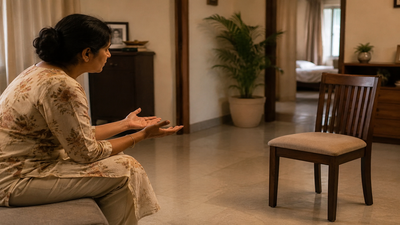
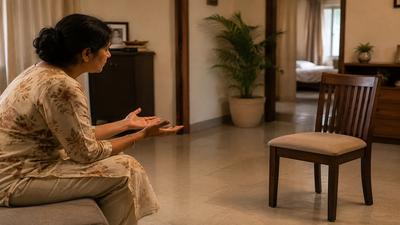
Parenting can be loud, fast and reactive. A slammed door, a sharp reply, a child going silent at dinner and suddenly the whole house is carrying more emotion than it knows what to do with. In moments like that, therapists sometimes turn to a deceptively simple tool: the “empty chair” technique. It sounds almost too plain to matter. Place an empty chair in front of you. Imagine the other person, your child, your co-parent, sometimes even your younger self, sitting there. Then speak out loud, honestly, as if the conversation were happening in real time. The point is not performance. The point is access. The chair gives form to feelings that often stay tangled inside the body, where they harden into frustration, guilt or defensiveness. For parents, that can be surprisingly powerful. Scroll down to read more…
Why an empty chair can change the tone of a conversation
10 Jun 2026 | 14:36
What is the funniest thing your child has ever said during an argument?
A lot of parenting conflict is not really about the immediate moment. The missed homework, the rude tone, the refusal to get dressed, these are often the visible sparks of deeper strain. Parents may be tired, overstretched or carrying old emotional scripts from their own childhood. Children, for their part, may not yet have the language to explain what they feel. The result is a household where everyone is reacting, but no one is truly being heard.The empty chair technique slows that down. It creates a private space to rehearse honesty before the real conversation begins. Instead of saying, “Why are you always like this?” a parent might say to the chair, “I felt panicked when you ignored me, and underneath that panic was fear that I am losing you.” That shift matters. It moves the parent out of blame and closer to the truth.
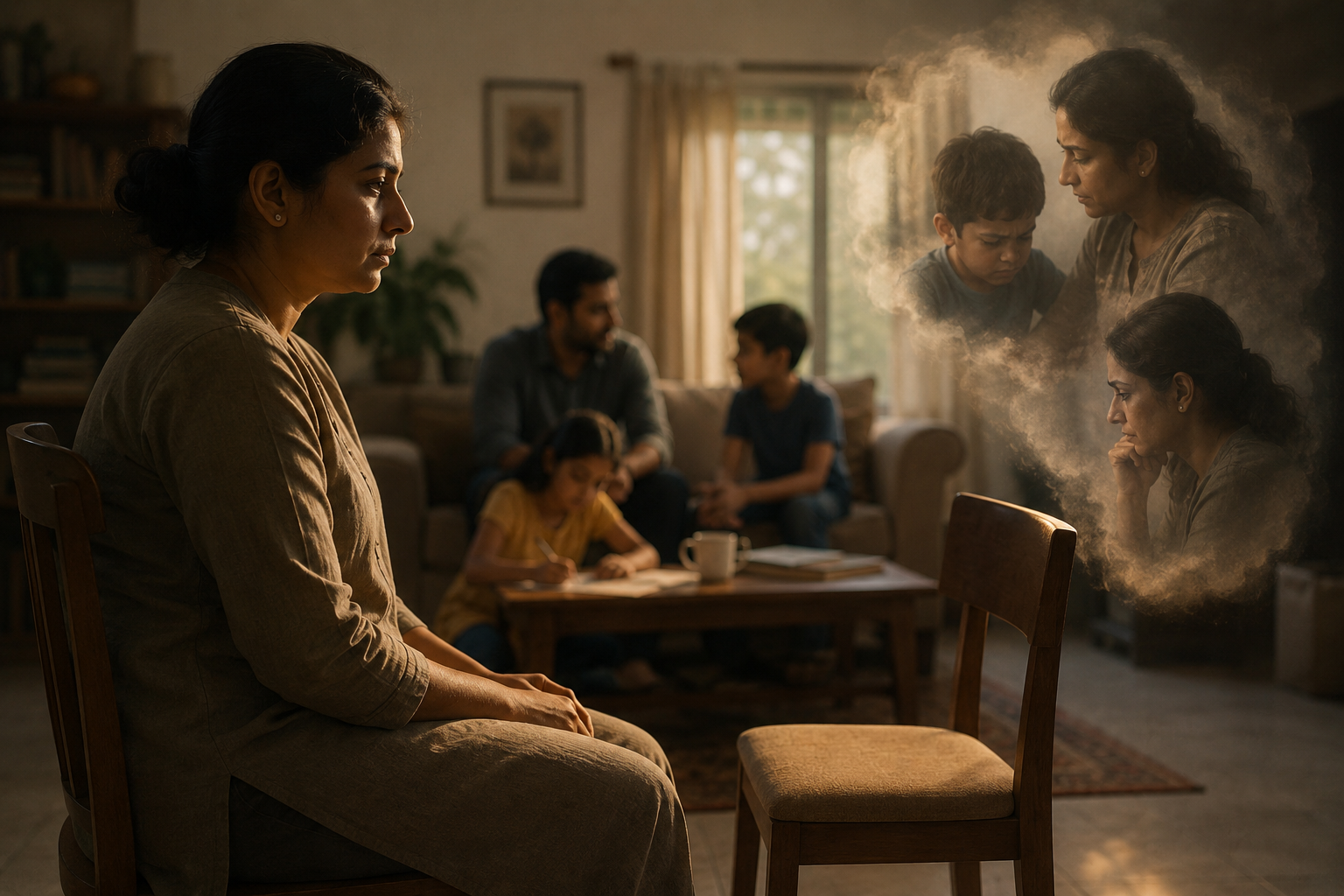
Therapists often like this method because it makes emotion concrete. People frequently know they are upset, but not exactly why. Speaking to an imagined presence can reveal the hidden layer beneath the obvious one: hurt under anger, fear under control, shame under overreaction. Once those feelings are named, they become easier to work with.
A rehearsal for calmer parenting
One of the method’s quiet strengths is that it lets parents practice before they speak. Most of the damage in family arguments comes from speed. A child acts out, a parent snaps back, both sides feel misunderstood, and the conversation turns into a contest. The empty chair interrupts that cycle.By rehearsing the message first, parents can test different tones. They can hear whether they sound accusatory, pleading, rigid or open. They can notice where their voice tightens, where their own grief begins to surface, where they are asking for control when what they really need is connection. In that sense, the chair is not about pretending. It is about editing the emotional draft before it reaches the page of family life.

What Separates the Best Preschools in India from the Rest: A Parent’s Research Guide
This is especially useful for parents who struggle to keep their composure in charged moments. It can be easier to say, “I need to think before I answer you,” after having practised the feeling privately. The exercise gives structure to self-regulation, which is often the missing piece in difficult parenting conversations.
It can also soften old wounds
Sometimes the most important person in the empty chair is not the child in front of you. It is the parent you used to be, or the parent you once needed. That is where the method can become unexpectedly moving.A parent who grew up with criticism may discover that their harshest reactions are rooted in old fear. Another may realize they are repeating the very distance they once suffered. When the chair is used this way, it can become a bridge between generations, not to excuse bad behaviour, but to understand it. Understanding is often where change begins.That does not mean the exercise replaces boundaries. Children still need limits, and parents still need to say no. But the tone of those limits can shift when they come from reflection rather than reflex. A boundary spoken from steadiness lands differently from one spoken from panic.
How to try it at home
The technique works best when it is kept simple. Sit somewhere quiet. Place a chair opposite you. Imagine the person clearly, or simply picture the situation you are struggling with. Speak in full sentences, even if you feel awkward at first. Say what happened, what it stirred up, what you wish were different and what you need next.

With toxic parents around, the most common outcome is a toxic, troubled kid, who loses track of his/her aims and ambitions and chooses to misbehave. Most kids who belong to this category are disruptive, aggressive and defensive. They do not like to listen, do not place any trust in anyone and most probably will not be trustworthy themselves. While they may seem rough and strong, but they’re emotionally very delicate, which is why they create this layer around themselves to keep themselves protected. Such kids need special attention and instead of being lectured and criticised, they secretly wish to be heard and appreciated.
A parent might begin with something like, “I love you, and I am finding this hard. When you shut me out, I feel helpless. I do not want to fight with you. I want us to understand each other better.” That kind of language is not weak. It is disciplined. It gives emotion a shape without letting it turn into damage.Afterwards, it helps to pause. Notice what came up. Was there grief? Relief? Anger that finally made sense? Often, the chair reveals more than the original problem ever did.
A small tool with a large purpose
The empty chair is not magic, and it is not a shortcut to perfect communication. But in homes where emotions run hot and everyone is a little misunderstood, it can be a useful reset. It gives parents a moment to step out of reflex and into reflection. It makes room for honesty without forcing confrontation. And sometimes, that is enough to change the whole atmosphere of a family.Parenting rarely improves through one grand insight. More often, it changes through small acts of awareness repeated over time. An empty chair may look modest. In the right moment, it can help a parent say the thing that actually matters.