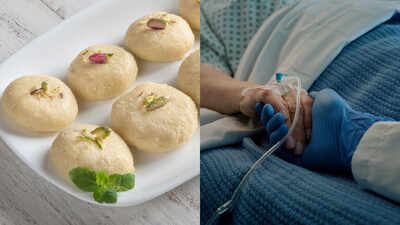
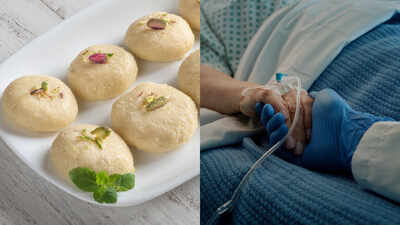
Indian sweets are addictive, and one cannot stop with just one serving. But, when the same sweet leads to illness or food poisoning (because of substandard or expired ingredients), it often makes us regret it. In an unfortunate incident, members of three families allegedly fell ill after consuming malai pedas from the popular Guru Nanak Dairy. Scroll down to read the details.According to the Indian Express report, Guru Nanak Dairy’s retail licence has been suspended, and a stop-work notice has been issued to the manufacturing facility pending further investigation.According to the affected families, members from three separate families fell ill despite having eaten meals prepared independently in their own homes. They claim the pedas were the only common food item consumed by all those who later developed symptoms. The victims include a 14-year-old boy, a 44-year-old woman, and a 48-year-old man, among others. The victims confirmed that the only outside food they consumed that day was the peda, and after falling ill, they were admitted to the ICU for medical attention.According to the police, as soon as they received the complaint, they informed the Food and Drug Administration and initiated the necessary investigation. Preliminary medical observations suggested food poisoning, while complainants stated that their illness occurred after consuming the sweets.The report states that the manufacturing unit had been inspected, and the department is awaiting laboratory findings before deciding on further action. If the report establishes that the food is unsafe, a case will be registered in accordance with the law.
3 reasons Malai Peda can cause food poisoning
Improper Storage of Milk-Based Ingredients: According to experts, during summer months, milk-based ingredients need extra care. Sweets like malai peda, which are made using milk, khoya, and cream-based ingredients, are highly perishable. If the sweet is left at room temperature for extended periods, especially during hot and humid weather, bacteria can multiply rapidly, increasing the risk of foodborne illness.Contaminated or Low-Quality Khoya: Khoya is one of the primary ingredients used in malai peda and is prone to contamination if prepared or stored unhygienically. According to FSSAI, adulterated or stale khoya is the breeding ground for harmful bacteria such as Salmonella and E. coli, which may cause symptoms like nausea, vomiting, diarrhea, and stomach cramps.Cross-Contamination During Preparation: Cooking with dairy products calls for extra hygiene. If the utensils, surfaces, or hands are not properly cleaned, they might impact the preparation process and lead to bacterial and other pathogen growth, which can transfer to the sweet and cause contamination in the final dish.Signs that Malai Peda may have spoiled-Sour or unusual smell-Sticky or excessively moist surface-Discoloration or mold growth-Off taste or fermented flavor