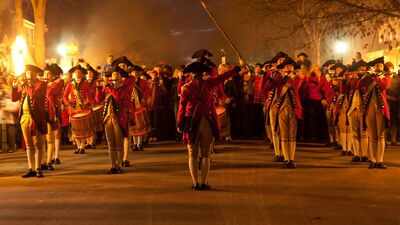
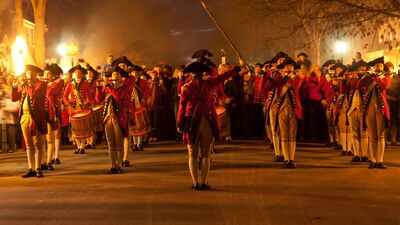
Once the capital of Virginia and the largest, most prosperous colony in British America, Colonial Williamsburg offers visitors a fascinating journey into the origins of the United States. This meticulously restored 18th-century city serves as a living window into the nation’s past, preserving the people, places, and ideas that shaped modern America.Beyond exploring its remarkable collection of historic buildings and immersive experiences, Colonial Williamsburg is also one of the key destinations hosting celebrations for the USA’s 250th anniversary of Independence. From patriotic events to guided history tours, the city provides one of the most authentic ways to experience America’s revolutionary heritage.Independence Day in Colonial Williamsburg: The Original Revolutionary City
Bassett Hall
In 2026, Colonial Williamsburg marks two major milestones—the 250th anniversary of American Independence and the centennial of Colonial Williamsburg itself.As the birthplace of revolutionary ideas, the city will host a weekend of celebrations featuring:Live concertsInteractive family-friendly activitiesPublic readings of the Declaration of IndependenceSpecial Independence Day ceremoniesAmerica Made in Virginia: 250 Years Together, a grand evening tribute celebrating the nation’s 250th birthdayThere are few places in America where Independence Day carries as much historical significance as Colonial Williamsburg.The Nation’s Largest Living History MuseumSpread across 301 acres, Colonial Williamsburg is the world’s largest living history museum.Visitors can explore:Dozens of original and reconstructed 18th-century buildingsHistoric homes and public buildingsWorking shopsRestored gardensHeritage livestock breedsCostumed interpreters recreating everyday colonial lifeThe result is an immersive experience that truly feels like stepping back into the 1700s.Historic Sites to ExploreThe Capitol
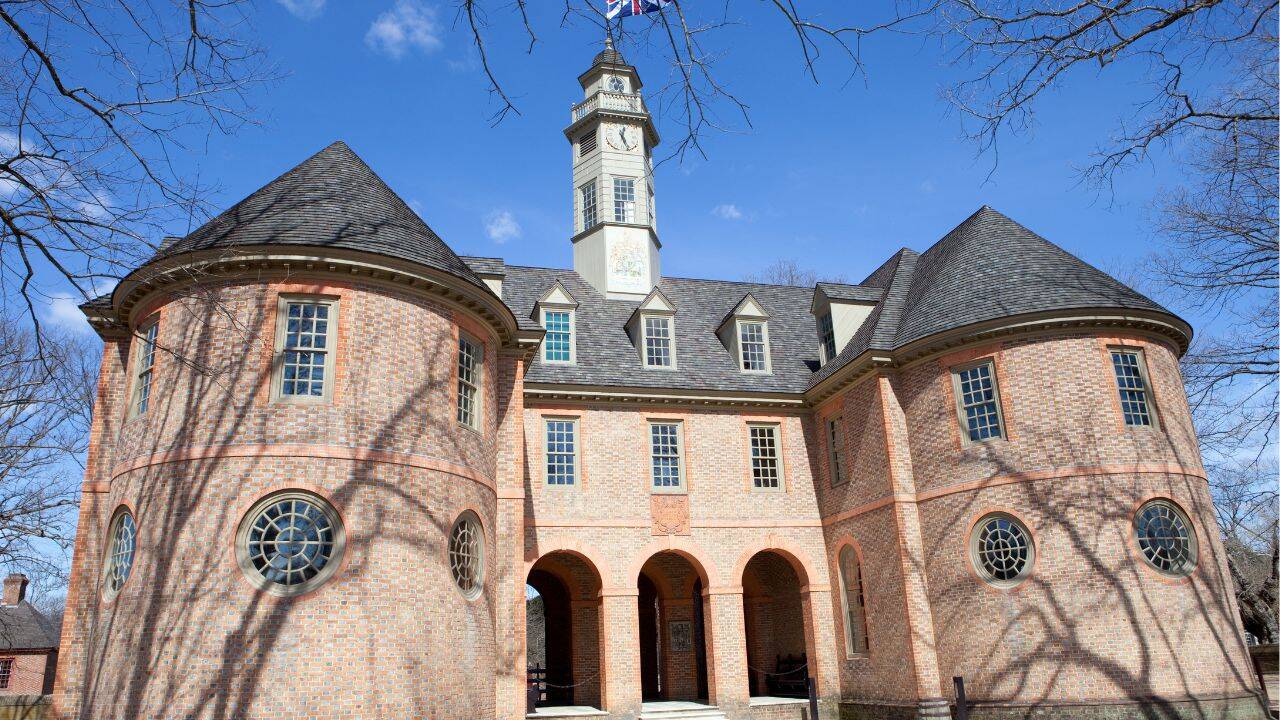
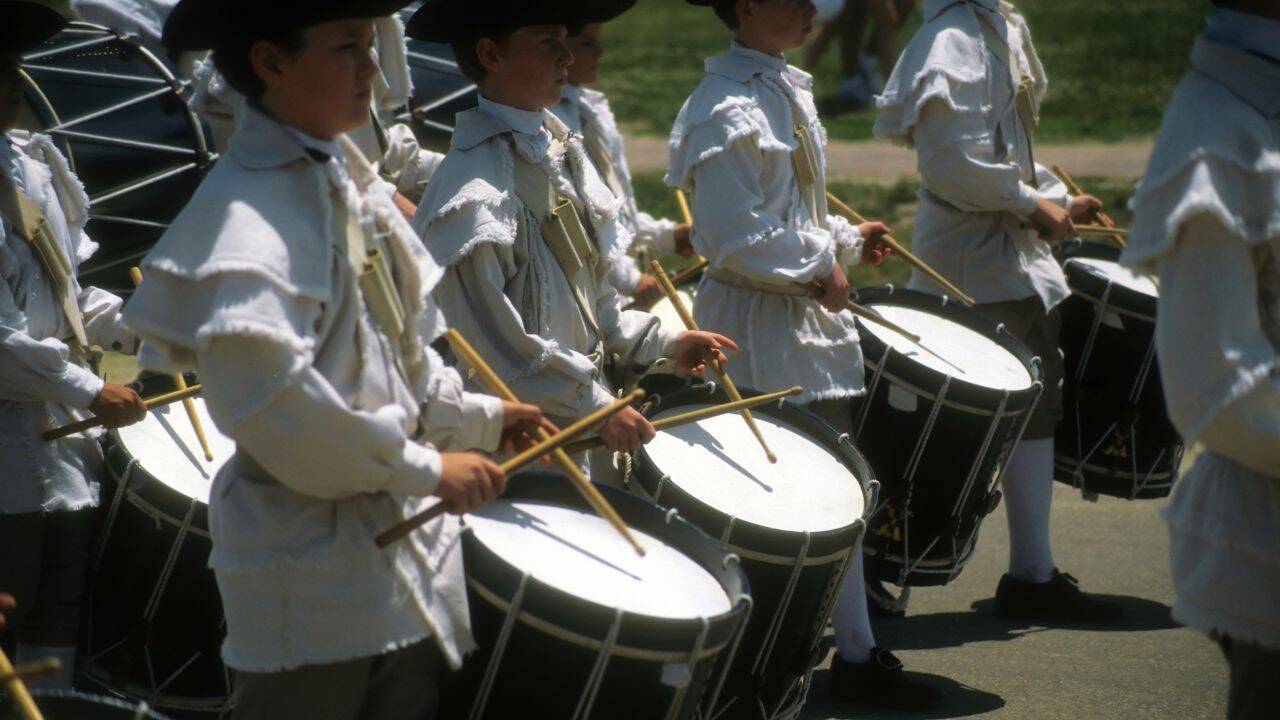
Colonial Williamsburg’s Capitol played a defining role in American history.On May 15, 1776, Virginia legislators instructed their delegates attending the Continental Congress in Philadelphia to propose complete independence from Great Britain—making Virginia the first colony to officially call for independence.House of BurgessesThe House of Burgesses, established in 1619, was the oldest representative legislative assembly in British North America.Many of America’s earliest political leaders debated laws and governance here, laying the foundations of democratic government in the future United States.Governor’s PalaceOne of Williamsburg’s grandest buildings, the Governor’s Palace symbolised royal authority in colonial Virginia.The 3,380-square-foot Georgian mansion features:Formal gardensNatural parklandStableCarriage houseKitchenLaundryBathhouseThe estate was maintained by approximately 25 enslaved people and servants, offering visitors insight into both colonial luxury and the realities of slavery.George Wythe HouseThis elegant home introduces visitors to the Age of Enlightenment.George Wythe, one of America’s leading legal scholars, mentored influential students including Thomas Jefferson, exposing them to revolutionary ideas in philosophy, science, and government.James Geddy HouseFamilies can experience daily colonial life through:Traditional gamesDancingHousehold choresInteractive demonstrationsPeyton Randolph HouseThis historic home explores slavery and the early African American experience in colonial Virginia, presenting an important perspective on America’s complex history.Public ArmoryLearn how weapons were produced and maintained during the Revolutionary War while discovering the role of simple machines in military manufacturing.Raleigh TavernThe Raleigh Tavern served as Williamsburg’s political and social hub.Many revolutionary leaders gathered here to discuss resistance against British rule and plan cooperation with other colonies.Visitors can also enjoy freshly baked gingerbread cakes from the nearby colonial bakery.The MagazineOriginally the colony’s arsenal, The Magazine housed muskets, ammunition, and cannon.Today visitors can watch:Musket-firing demonstrationsMilitary drillsColonial militia performancesTraditional fife and drum musicThe CourthouseStep inside the colonial justice system by participating in interactive courtroom experiences where visitors assume the roles of judges, witnesses, and defendants.Chowning’s TavernAfter exploring history, visitors can relax at Chowning’s Tavern, known for its colonial-style BBQ, beers, and ales inspired by 18th-century recipes.Bruton Parish Church
canva
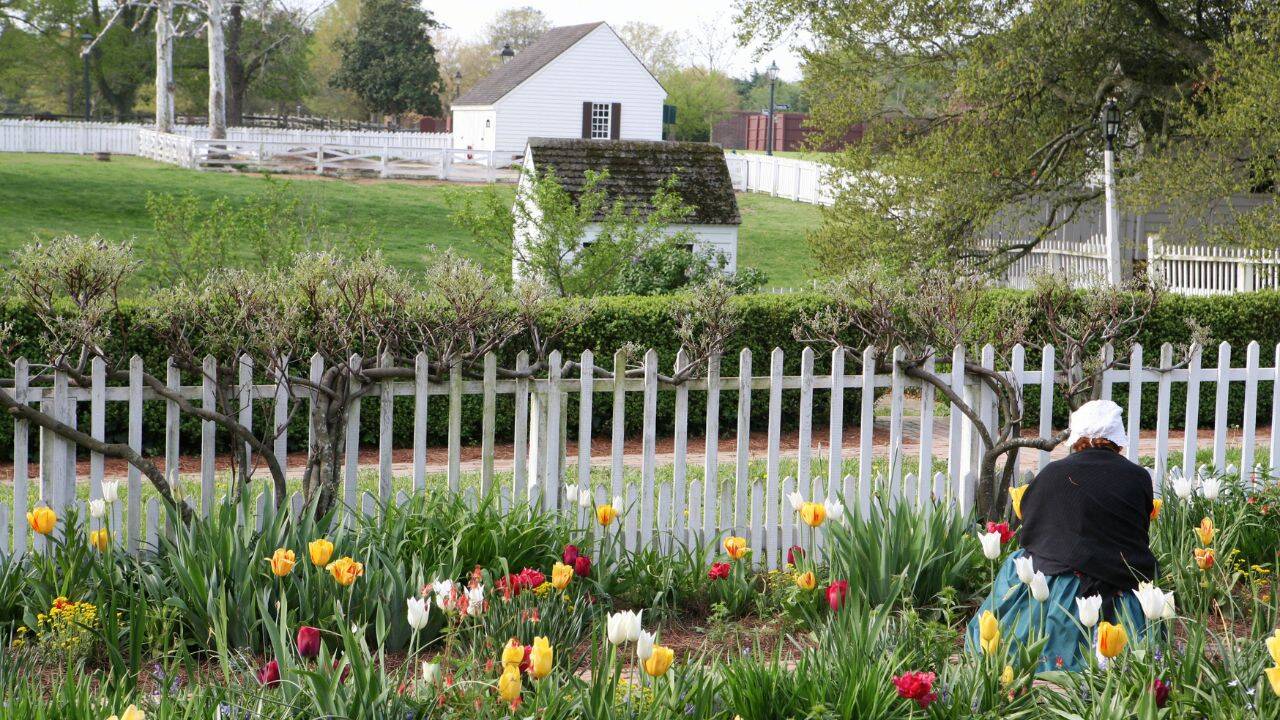
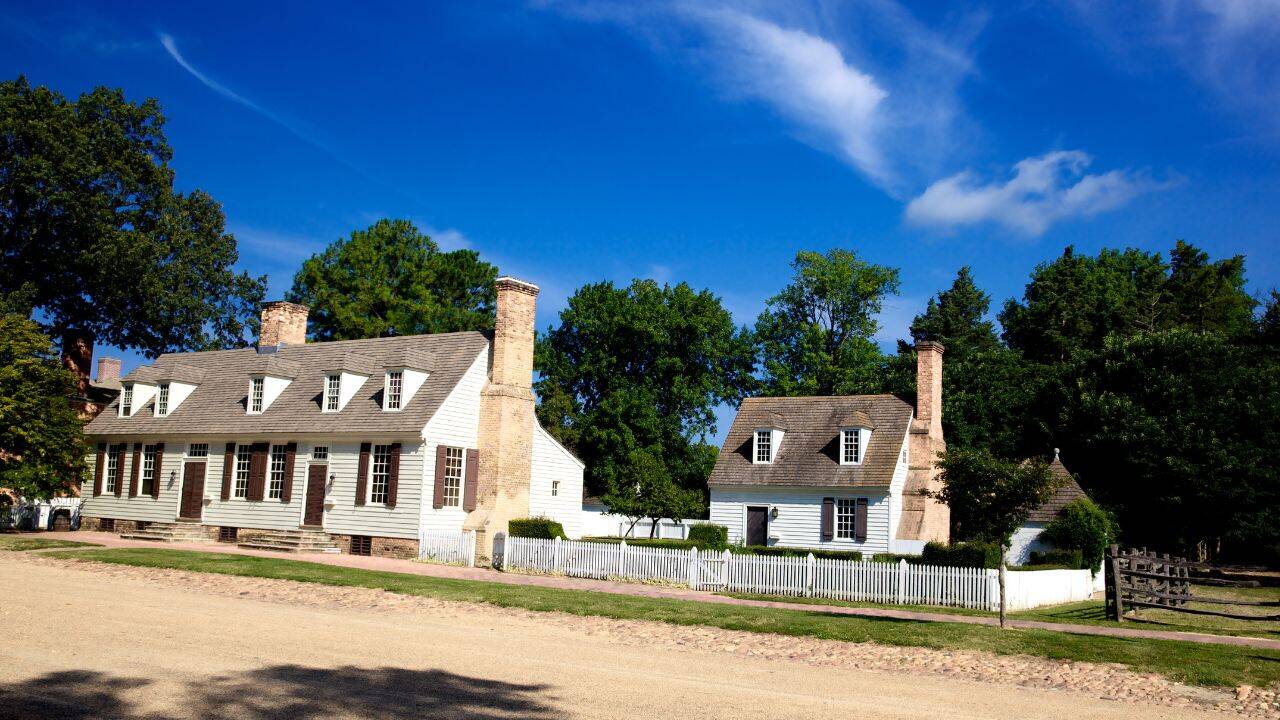
Established as Williamsburg’s Anglican church during colonial times, Bruton Parish Church remains an active place of worship today and is one of Virginia’s most iconic religious landmarks.Richard Charlton’s CoffeehouseThis recreation of an 18th-century coffeehouse reflects the lively atmosphere where merchants, politicians, and intellectuals exchanged ideas during the years leading up to the American Revolution.Bassett HallOnce home to John D. Rockefeller Jr. and Abby Aldrich Rockefeller, Bassett Hall played a central role in the restoration of Colonial Williamsburg during the 20th century.Visitors can tour the historic residence while exploring beautifully preserved gardens and woodland trails dating back to the 1940s.Experience Authentic 18th-Century Trades
canva
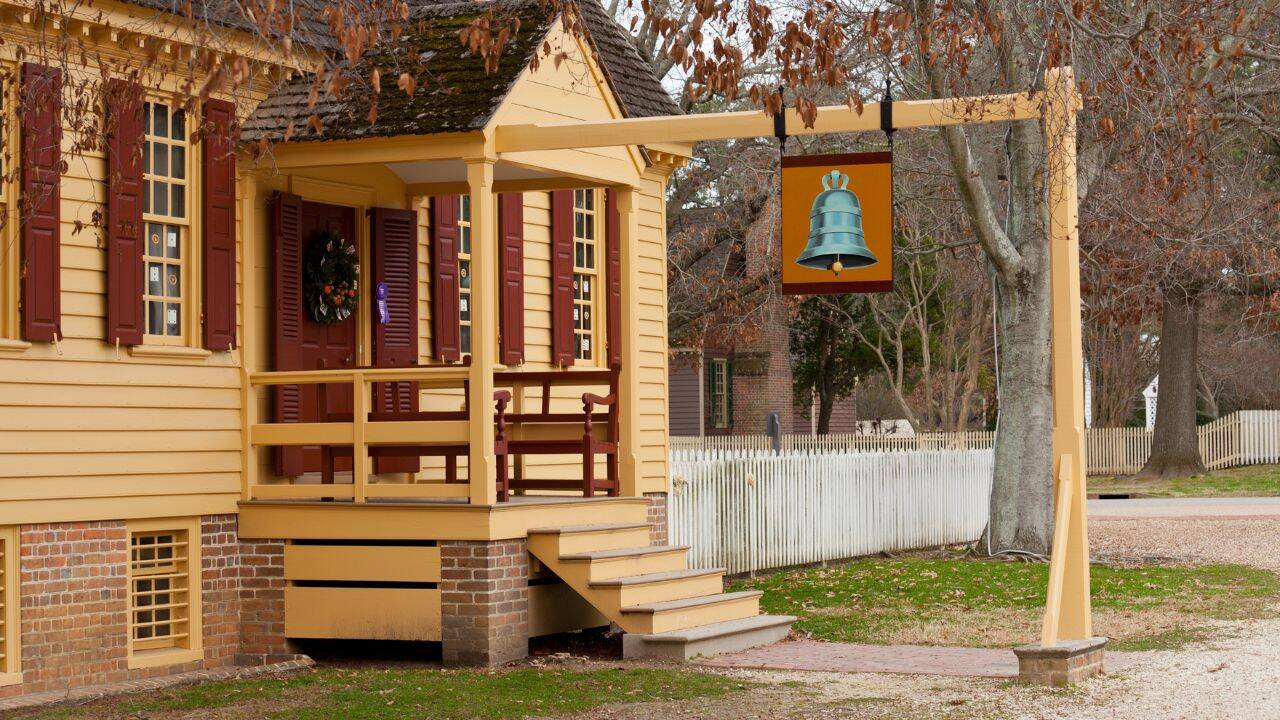
Colonial Williamsburg is far more than a museum—it is a working community where traditional craftsmanship continues every day.Visitors can watch skilled artisans using authentic 18th-century tools and techniques, including:BlacksmithingCarpentryWeavingShoemakingPrintingCabinetmakingWheelwright workMany workshops also offer hands-on experiences, allowing visitors to try traditional crafts themselves.The Art Museums of Colonial WilliamsburgThe Art Museums of Colonial Williamsburg combine two renowned museums under one roof.DeWitt Wallace Decorative Arts MuseumThe museum houses an exceptional collection of American and British decorative arts, including:FurnitureCeramicsGlassPaintingsPrintsFirearmsTextilesMetalworkThe collections span the 17th, 18th, and 19th centuries.Abby Aldrich Rockefeller Folk Art Museum
canva
America’s oldest museum dedicated exclusively to American folk art, it showcases paintings, sculptures, quilts, carvings, and other works representing everyday American creativity.Families can also enjoy interactive exhibits, children’s activities, a museum shop, and café.History and Culture ToursFaith & Freedom TourThis four-day journey explores the religious foundations of the American Revolution through visits to:Bruton Parish ChurchSt. Peter’s ParishFirst Baptist Church of Williamsburg—one of America’s oldest Black congregationsThe experience concludes at Yorktown Battlefield with a live performance of Cry Witch, blending historical storytelling with dramatic theatre.Revolutionary Women TourThis tour highlights the often-overlooked women who shaped the American Revolution by:Running households during wartimeOrganising resistanceDelivering intelligenceInfluencing political thoughtThe itinerary includes visits to Monticello and Colonial Williamsburg while sharing stories of the women whose contributions helped shape America’s independence.America’s Revolutionary Past
canva
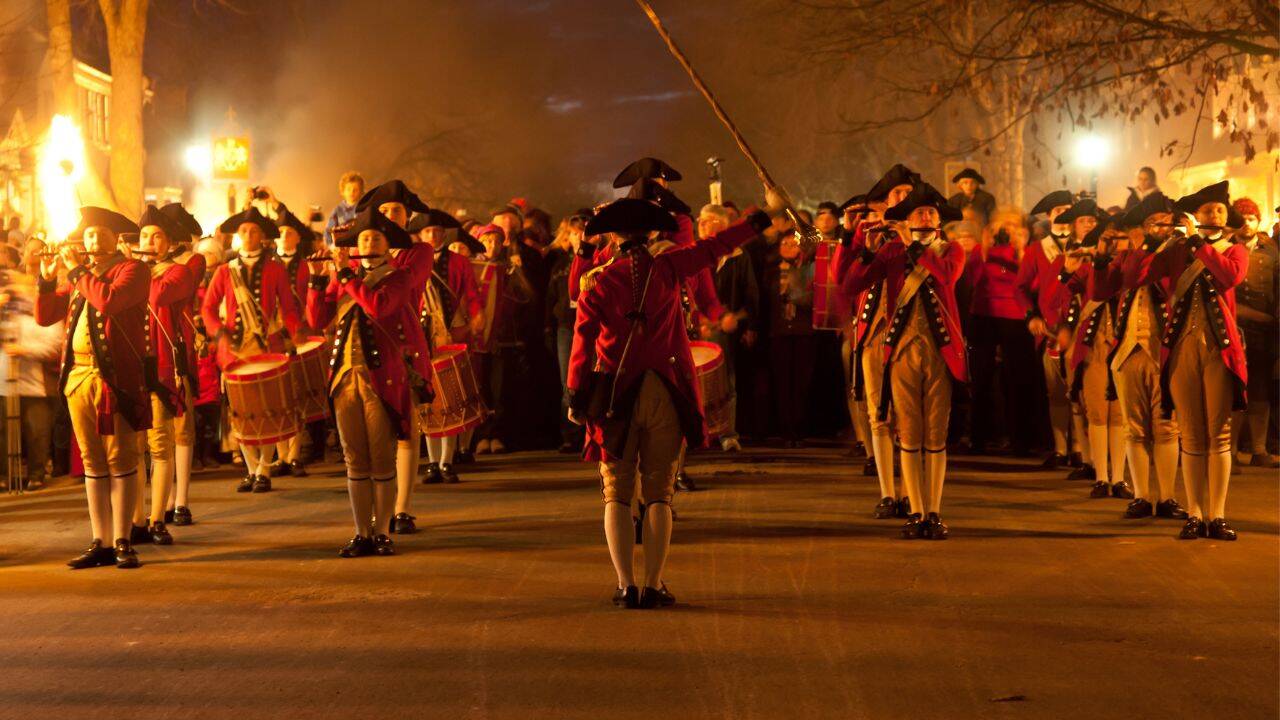
Whether exploring historic government buildings, watching blacksmiths at work, visiting remarkable museums, or participating in immersive history tours, Colonial Williamsburg offers one of the most comprehensive experiences of early American life.As the United States commemorates its 250th anniversary, few destinations provide a deeper understanding of the nation’s origins than this living museum, where every street, building, and reenactment brings history vividly to life.