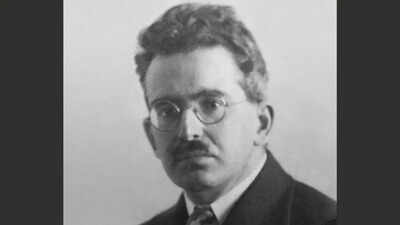
Walter Benjamin (Image: Wikipedia)
Some quotes comfort people instantly. Others leave readers unsettled for a while because they touch emotions most people usually avoid discussing openly. This quote by Walter Benjamin belongs firmly in the second category.It is not a light quote. It does not try to sound motivational or reassuring. In fact, the line almost feels painfully honest the longer somebody sits with it. There is guilt inside it. Love too. Fear. Ageing. Emotional exhaustion. The complicated weight of caring deeply about another human being.And strangely enough, that honesty may be exactly why the quote feels so powerful today.Modern life often encourages people to present relationships in simplified ways online. Social media turns love into photographs, captions, anniversaries, and carefully edited moments. Real relationships are rarely that clean. Loving somebody also means worrying about them constantly. Parents fear for their children. Partners lose sleep over each other. Friends carry silent anxiety during difficult periods. Families absorb each other’s emotional pain in ways that are impossible to measure properly.Walter Benjamin’s quote quietly captures that emotional reality.Love not only brings comfort. Sometimes it also brings fear.
Quote of the day by Walter Benjamin
“In the end, we get older, we kill everyone who loves us through the worries we give them, through the troubled tenderness we inspire in them, and the fears we ceaselessly cause.”
Who was Walter Benjamin
Walter Benjamin was one of the most influential intellectual figures of the twentieth century. Born in Germany in 1892, Benjamin became known for his writing on philosophy, literature, art, culture, memory, and modern society.His work often explored how human beings experience modern life emotionally and psychologically. Even decades later, scholars continue studying his ideas about history, media, storytelling, urban life, and cultural change.Benjamin lived during an extremely turbulent period in European history. Political instability, exile, war, and personal uncertainty shaped much of his life and writing. He eventually fled Nazi persecution and died tragically in 1940 while attempting to escape occupied Europe.That background matters when reading his words.Benjamin’s writing rarely feels emotionally detached. There is often melancholy underneath it. A deep awareness of fragility. Memory. Loss. Human vulnerability.This quote reflects those themes very clearly.
What is the meaning of the quote by Walter Benjamin
At first glance, the quote sounds almost shocking because of the phrase “we kill everyone who loves us.”Benjamin is obviously not speaking literally. He seems to be describing the emotional burden that love inevitably creates over time. The people who care about somebody deeply also become vulnerable to constant worry because of that attachment.Parents understand this instinctively.The moment somebody loves another person deeply, fear enters alongside the love itself. Fear of loss. Fear of illness. Fear of suffering. Fear of heartbreak. Fear of something terrible happening unexpectedly.Benjamin appears to be saying that human relationships carry emotional consequences nobody can completely avoid.Even tenderness itself becomes “troubled tenderness” in the quote.That phrase feels especially painful because it recognises something true about close relationships: love is rarely emotionally peaceful all the time. The deeper the attachment becomes, the more emotionally exposed people often feel.
Why this quote feels especially relevant now
Modern life created strange new forms of emotional anxiety inside relationships.People are constantly reachable now. Phones bring updates instantly. Families worry when messages remain unanswered too long. Partners overanalyse online activity. Parents track locations digitally. News spreads faster than ever before. Every emotional connection suddenly exists beside permanent access and permanent anxiety.That emotional pressure slowly builds over time.Many people today quietly carry stress connected to the well-being of people they love. Parents fear social media’s effects on children. Young adults worry about ageing parents. Friends monitor each other’s mental health carefully after years of growing public awareness around anxiety and depression.Love increasingly comes with emotional hyper-awareness.Benjamin’s quote feels surprisingly modern because it captures how deeply human beings affect one another psychologically. Loving somebody means becoming emotionally vulnerable to their suffering, mistakes, fears, and struggles.The quote refuses to romanticise that reality.
Why love and worry are often inseparable
One of the hardest truths about close relationships is that genuine love almost always creates some degree of worry.A parent waiting for their child to come home late at night understands this immediately. So does anyone who has sat beside a hospital bed, waited anxiously for important news, or worried endlessly during somebody else’s difficult period.People who love deeply rarely remain emotionally untouched by the lives of those they care about.That seems to be the emotional core of Benjamin’s quote.The line almost suggests that relationships slowly wear people down emotionally over decades, not because love itself is harmful, but because caring deeply makes emotional distance impossible.And honestly, most people probably recognise that feeling immediately, even if they never describe it out loud.
The quote also says something painful about ageing
The opening words matter more than they initially seem to.“In the end, we get older…”Ageing changes relationships emotionally.As people grow older, they often become more aware of fragility. Parents age visibly. Friends drift away. Health problems appear unexpectedly. Families experience loss more frequently. Time itself starts feeling more noticeable.Benjamin’s quote carries that awareness quietly underneath every sentence.The older people become, the more they understand that love always exists beside impermanence. Nobody can fully protect the people they care about forever. Nobody can stop time completely. Human beings continue worrying about each other precisely because relationships matter so much emotionally.That sadness gives the quote its emotional depth.
Why the quote feels brutally honest instead of cynical
Interestingly, the quote does not feel hateful toward love despite its dark tone.If anything, the sadness inside the line exists because love matters so deeply.Benjamin seems to understand that emotional pain becomes unavoidable once people genuinely care for one another. Relationships create joy, comfort, connection, memory, and meaning. They also create vulnerability, fear, exhaustion, and grief eventually.Both realities exist together.Many modern quotes simplify love into something endlessly uplifting. Benjamin does the opposite. He acknowledges the emotional cost attached to deep human attachment without pretending that cost makes love meaningless.That honesty probably explains why readers continue sharing the quote decades later.It sounds emotionally true.
Why people are drawn toward melancholic quotes online
The internet has changed how people discuss emotions publicly.For years, social media heavily rewarded positivity, motivation, and carefully edited happiness. More recently, audiences seem increasingly drawn toward emotionally honest reflections instead. Quotes about loneliness, memory, grief, emotional exhaustion, and complicated relationships often spread widely because readers recognise themselves inside them.Benjamin’s quote fits perfectly into that category.It describes an emotional experience many people feel privately but struggle to explain properly. The fear attached to love. The exhaustion of worrying constantly about somebody else. The awareness that human attachment always involves emotional risk.Those feelings are uncomfortable, but they are deeply human too.
The quote quietly recognises emotional sacrifice
Another reason the line feels powerful is that it recognises how much emotional labour exists inside relationships.Parents sacrifice sleep worrying about their children. Partners absorb each other’s stress over the years together. Friends carry each other through crises silently. Families often survive difficult periods collectively rather than individually.People emotionally exhaust themselves for those they love all the time.Usually willingly.Benjamin’s quote almost frames that process as inevitable. Loving somebody means allowing their pain, fears, and struggles to affect you deeply over time. Emotional protection becomes impossible once attachment grows strong enough.That is what makes relationships meaningful. And frightening.
Why this quote will probably continue haunting readers
Some quotes disappear because they depend too heavily on trends or fashionable language. Walter Benjamin’s words continue to survive because they describe permanent parts of human relationships.People still grow older. They still fear losing those they love. They still carry silent emotional burdens for family members, friends, partners, and children.And despite all the exhaustion love sometimes creates, people continue choosing connection anyway. That may be the saddest and most beautiful part of the quote at the same time.Benjamin understands that love inevitably brings worry, fear, and emotional pain into human life. Yet the quote never suggests people should stop loving because of it. The suffering exists precisely because the attachment matters so much.Perhaps that is why the line lingers after reading it.Most people eventually realise that caring deeply about another human being always comes with emotional consequences. Sleepless nights. Anxiety. Tenderness mixed with fear. The quiet exhaustion of constantly hoping somebody you love will remain safe in a world where nothing stays permanent forever.