Your trusty reusable water bottle might be a breeding ground for bacteria and fungi. Image Credit: Gemini
A water bottle that you reuse is with you all over the place. It is proudly displayed on your desk, is a shotgun in your vehicle and even takes you to your gym; it stays by the bedside throughout the evening. Many consider it to be not just a water-refilling device; it’s an expression of your lifestyle as well as an emblem of respect and an ally for satisfaction. While you’re trying to meet your daily water intake goals, a sly, innocuous visitor might be quietly settled inside your preferred container.In the midst of the stainless steel or the pastel-toned exterior, a complicated microorganism can grow. If it is not checked and unobserved, the accumulation could rapidly transform a healthy practice into a vibrant place for fungi and bacteria.The city that is not visible growing inside your capThe film that can appear on the inside of walls or in the cap of the water bottle isn’t just a simple remnant. It’s actually a biological formation known as biofilm. A biofilm is an organised and tightly packed group of microorganisms which sticks to surfaces and forms the appearance of a protective, sticky layer. After it is established, the biofilm lets microbes live as they multiply, and even fight basic rinsing better than isolated floating bacteria.Reusable bottles are a great way to provide the specific conditions that communities require for survival: continuous water, dark crevices and a warm, ambient temperature. Every time you drink and breathe in oral bacteria, you are introducing them back into the bottle. In the same way, your hands transmit bacteria from the environment onto the threads, lid and rims during your use. In a brief time, these microbes build up and start to create strong colonies.The extent of this microbial activity is usually underestimated since the water entering the bottle is clean. To find out what is happening beneath the surface, a thorough research study that was published in the Journal of Environmental Health looked at the reusable bottles to assess their water quality. Researchers discovered that seventy-eight per cent of samples tested contained high heterotrophic plate counts. Additionally, almost half of the bottles had coliforms detected. It is clear that even for people with a keen sense of hygiene, commonplace bottles often support large numbers of bacterial colonies.
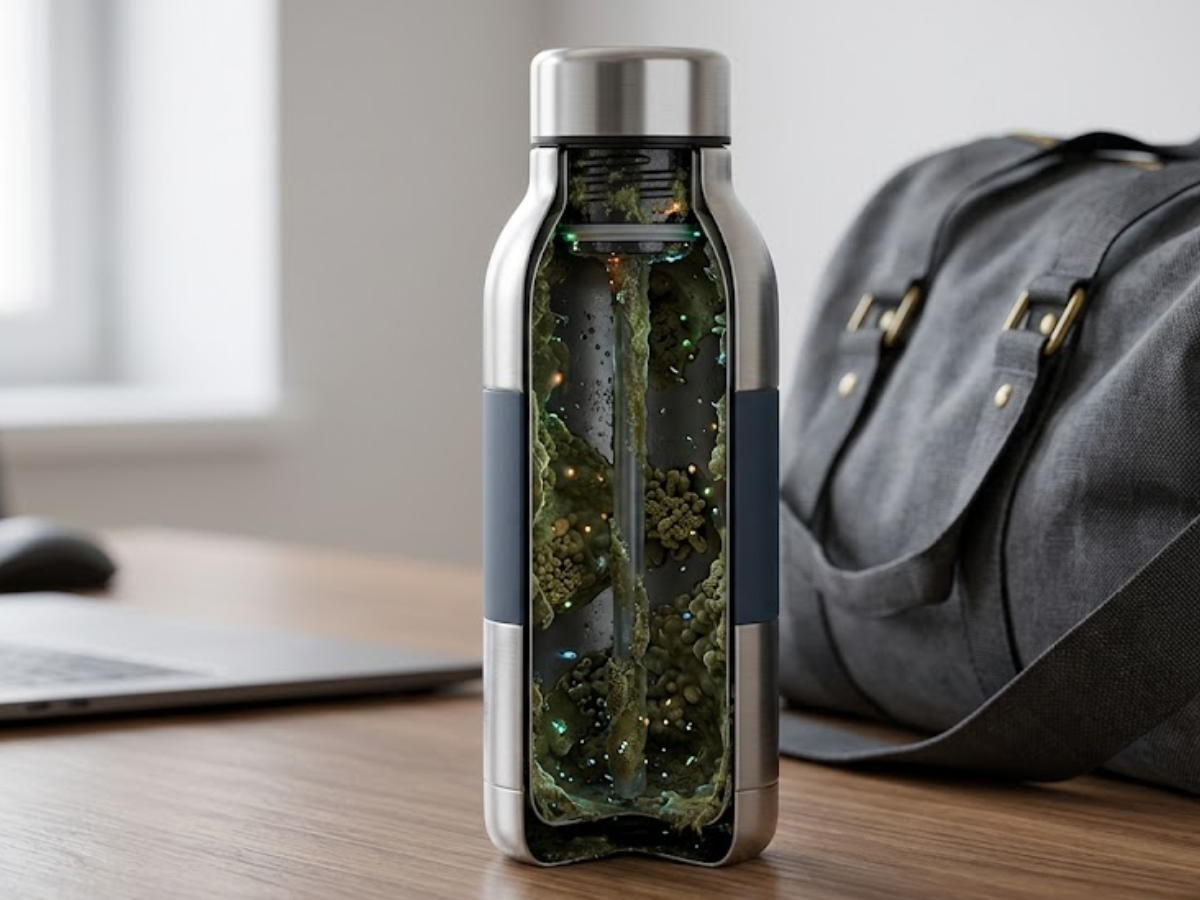
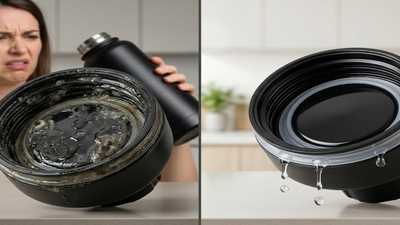
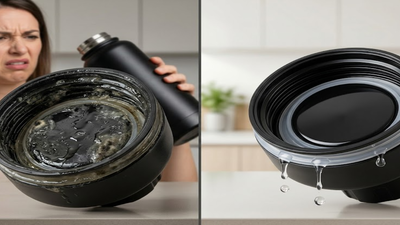
Complex cap designs and warm environments create ideal conditions for invisible biofilms to thrive, potentially impacting your health. Image Credit: Gemini
What is the reason that simple designs cover the greatest dangers?Although the body of the bottle gets the highest amount of attention in an easy rinse, the cap and parts surrounding it usually pose the most difficult problem. Reusable bottles of the present often have elaborate lid designs that include complex screw threads, removable gaskets made of rubber, as well as pop-up straws and large grooves. The tiny, compact areas can be extremely effective in capturing water and organic matter, creating ideal habitats for biofilms.The design and structure of the bottle have a large impact on the way that these micro-environments develop. In a study that was published in Food Protection Trends, the levels of bacterial contamination in everyday plastic bottles are heavily affected by certain usage patterns as well as design features, such as slim mouthpieces and complicated caps, which limit regular and thorough clean-up. In the study, it was discovered that in the absence of a thorough, deliberate sanitation of these parts that are specialised inside, the surfaces of the bottle rapidly accumulate organic matter, making the bottle an inexhaustible source of germs.Environment-related factors, such as hot temperatures and high humidity, boost the growth of this bacterium. Placing a bottle in the warmth of a backpack, parking a car or room heated by a gym locker, creates an ideal environment to speed up the replication of microbes. As time passes, these invisible biofilms may harbour dangerous pathogens and cause problems with your health, such as stomach discomfort, skin irritation or even subtle changes to the flavour and smell of the water you drink.Stopping the biofilm cycleIt is good to know that keeping your hydration regimen completely secure does not require you to ditch the preferred bottles that you can reuse. You just need to treat your bottle according to the same care as any other surface with food contact. Just a quick spray of cold water prior to refill won’t be enough to alter the biofilm’s structural integrity.Implementing a regular, efficient routine for cleaning can completely alter the atmosphere in your container.
- Commit to a daily clean-up: Wash your bottle each day with warm detergent, water and a bottle brush for physically cleaning the inside of your bottle.
- The lid must be disassembled completely: Take apart all accessible components, which include straws, rubber seals and silicone gaskets, as they’re the most important areas that stop the flow of moisture.
- Prioritise air drying. Let every part in the bottle be dried fully in a ventilated area before you assemble it again, eliminating the moisture that microbes need to live.
- Include a regular deep cleaning: Soak the components in a dilute white vinegar solution or baking soda as a paste to eliminate the stubborn and invisible residue that is residing in the most difficult to reach spaces.
When you incorporate these easy actions into your schedule, you’ll be sure that the habits you have adopted to be eco-friendly are beneficial to your own well-being.