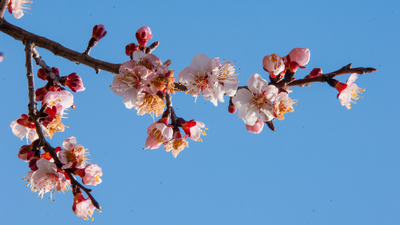
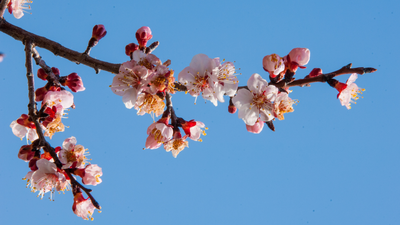
For most of the year, people picture Ladakh as a place of harsh, dramatic landscapes and endless stretches of barren rock. When winter hits, it turns into a frozen desert. Temperatures drop way below freezing, completely cutting off plenty of villages from the rest of the world. But then spring comes in, and it feels almost like magic. Thousands of apricot trees bloom across the valleys, covering the terrain in magical pinks and whites. This incredible shift kicks off the Apricot Blossom Festival, easily one of the most stunning seasonal events in the Himalayas.The locals call it Chuli Mendok(chuli stands for apricot, and mendok means flower). But it’s not just about pretty scenery. The festival, put together by the Ladakh Tourism Department, actually honours the region’s farming roots, community ties, and local customs. Lately, it’s become a massive draw for people looking for a genuine cultural vibe before the heavy summer tourist rush begins.
A celebration rooted in tradition
Apricots are a big deal in Ladakh. For generations, folks living along the Indus and Shyok river valleys have relied on the fruit for both food and income. Therefore, those first blossoms indicate that finally the planting season has arrived and the brutal winter is over.The event also highlights the Raktsey Karpo apricot. It’s a special local variety famous for its white seed stone and incredible sweetness. It even bagged a Geographical Indication (GI) tag recently, which emphasises its unique tie to the area and helps local farmers get the recognition they deserve.
Following the bloom across Ladakh
You won’t find this festival stuck in one spot. Instead, it moves around Ladakh to match the natural blooming cycle of the orchards. The trees in the lower-altitude villages flower first, and as the weather warms up, the bloom slowly makes its way higher into the mountains.Sham Valley If you’re looking for the best spots, the villages in Sham Valley (often dubbed Ladakh’s “Apricot Valley”) are huge favourites, right alongside Turtuk in the Nubra Valley and the historic settlements in Aryan Valley. These blossoms usually spread for a very short window, between late March and mid-April. And it really is quite a sight, bright clouds of pink and white flowers popping vividly against the stark brown mountains and snowy peaks. It genuinely looks like something out of a painting.
How the festival is celebrated
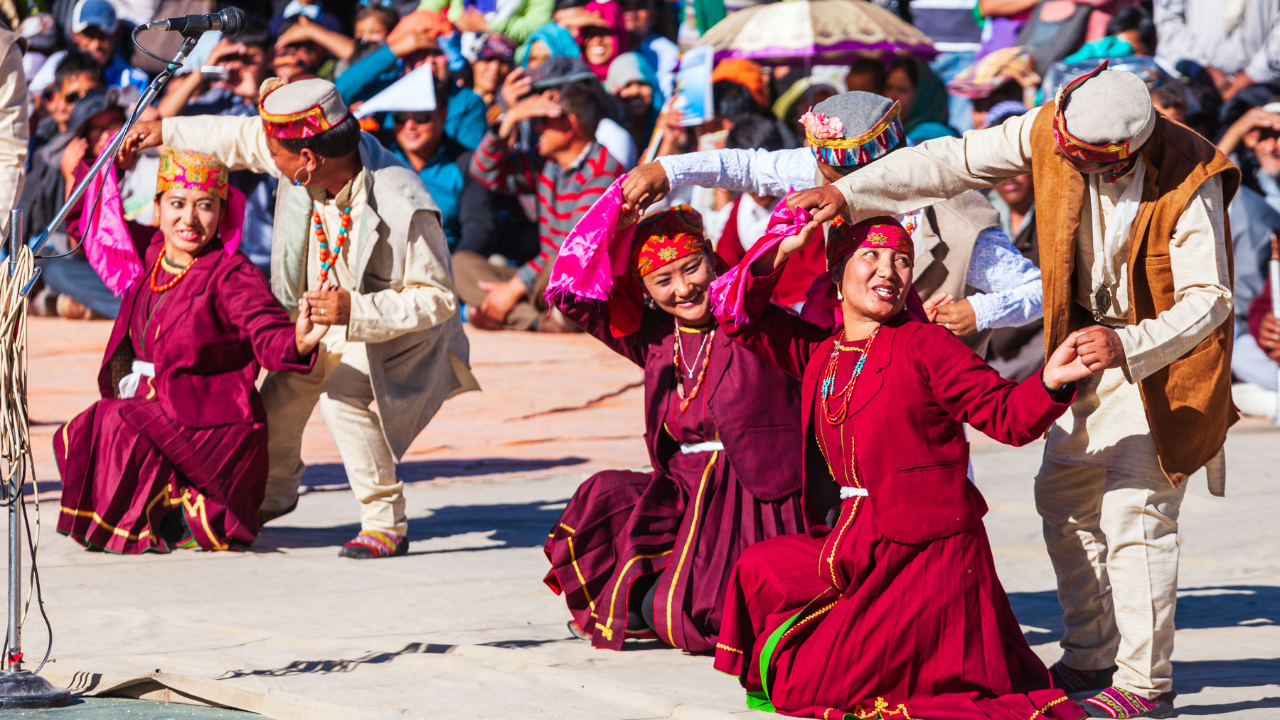
Image Credit: Canva
It’s a perfect mix of natural scenery and cultural partying. As the festival runs its course, normal village squares turn into hubs of exhibitions, markets, and live shows.Traditional Ladakhi music and folk dances take centre stage for a lot of the programming. You’ll also find archery competitions popping up in various villages, it’s a deeply loved local sport, and crowds always gather to watch the archers face off, naturally bringing everyone together.The pop-up markets bring a whole different flavour to the trip. Local artisans and farmers set up stalls to sell everything from jams and juices to dried apricots and apricot kernel oil. You can also pick up traditional jewellery, handmade woollens, and crafts, which is a great way to put money directly back into the local economy while scoring a cool souvenir.And if you’re a foodie, this is your chance to dive into regional dishes and traditional apricot-heavy recipes that families have been cooking up for generations.
Planning a visit
canva
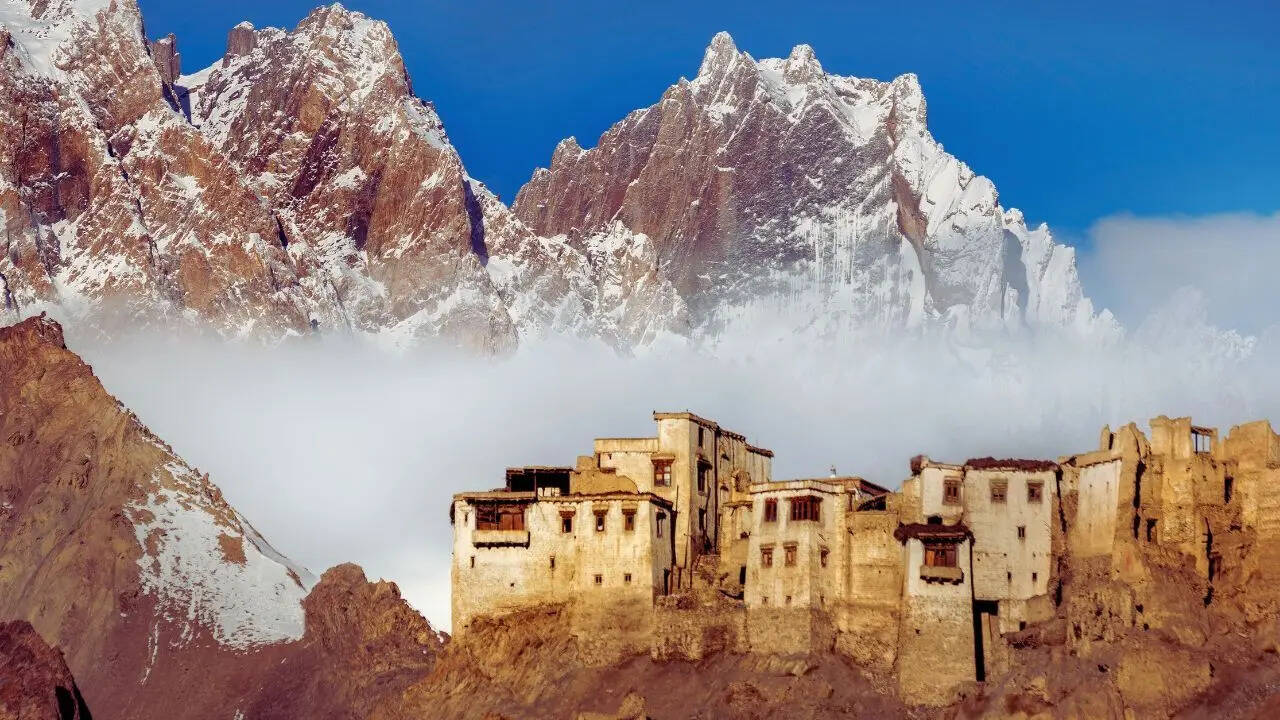
If you want to see it for yourself, aim for late March to mid-April. Keep in mind that Mother Nature runs the schedule, so the exact bloom dates shift a little every year depending on the weather.You can fly into Leh first, since it connects nicely to major cities across India. Once you’re in Leh, you just hit the road to reach Sham Valley, Aryan Valley, or wherever the festival happens to be that week. Since Aryan Valley and a few of the areas near the border require Inner Line Permits, make sure to sort that paperwork out before you go.To really soak it all in, try to stay for at least a few days. That gives you enough time to wander the orchards, catch the cultural events, and actually enjoy the slow pace of village life.The blossoms themselves only stick around for a few weeks, but the festival leaves a mark long after the petals fall. It’s a massive celebration of life starting fresh, a showcase of deep cultural roots, and a great reminder of how closely these communities are tied to their tough landscape.