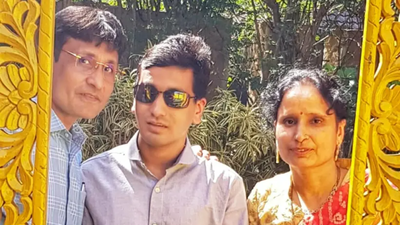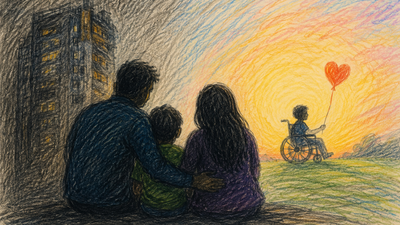
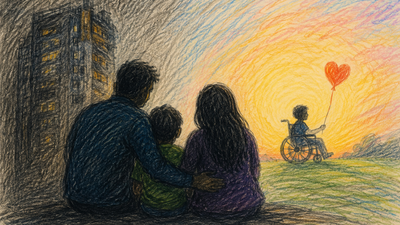
Looking at the Pai family’s high-rise London apartment from the outside, one might have seen a picture of comfort and achievement. Yet behind those luxurious-looking walls, the family’s situation was filled with struggle and exhaustion. May 2026 brought a tragic end to the family. All three members of the family- Rakesh Pai, 47, Aditi Paralkar, 46, and their 9-year-old son, Sid, fell 400ft to their deaths from the 36th floor of the very same building. Police are investigating the tragedy as a suspected suicide. While the full picture is still emerging, reports have drawn attention to the challenges the family had been facing. The high-earning Indian origin couple was distressed because of their son’s medical condition. Born in the UK, Sid was partially handicapped, was unable to speak, and also suffered from a kidney disease along with learning difficulties.
10 Jun 2026 | 14:36
What is the funniest thing your child has ever said during an argument?
According to a report in Daily Mail, the tragedy is believed to have taken place after Sid, the couple’s only child, was denied medical treatment and discharged from hospital. The hopelessness left Aditi and Rakesh devastated. For the couple had tried treatment every place they could- India and the UK. The incident has brought wider attention to an issue- The mental health struggles of caregivers.
Caregivers become invisible patients
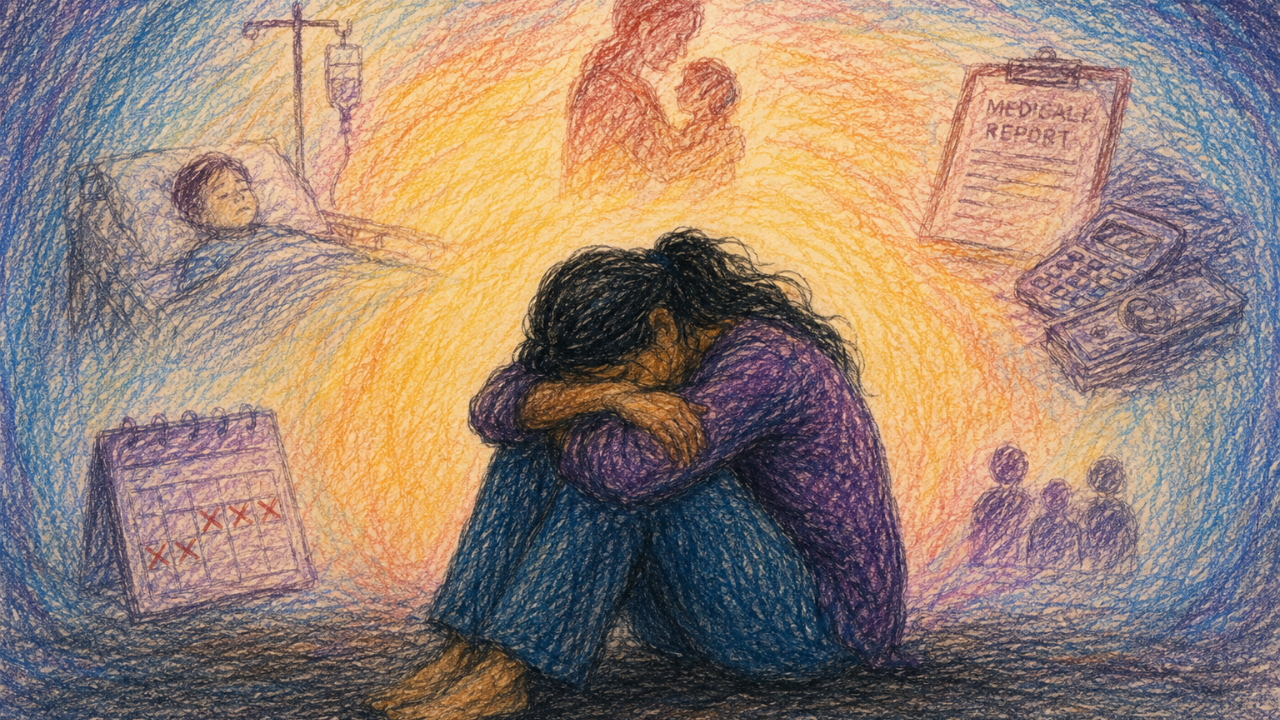
Along with the hospital visits, appointments, and medicines, for caregivers, the journey is also an emotional battle. Research on caregivers highlights how caregiving can leave a deep psychological and mental effect. Research conducted by Health Expectations, highlights that caregivers who perceive their loved one’s quality of life as very poor have been found to face a higher risk of psychological distress, including suicidal thoughts. For parents, the experience is not limited to sadness. Many carry the weight of difficult medical decisions, financial and emotional stress, disrupted sleep, isolation, and the fear of losing their child. “Extreme behaviour from parents in response to a terminally ill child is an indication of a high intensity of emotional suffering, powerlessness and chronic mental anguish,” says Psychologist Dr. Prerna Pant. “Taking care of a sick kid with a serious disease can be very frightening, guilt-ridden, weary and even uncertain about the future. With time, individuals could begin to feel emotionally isolated and may experience mental health issues on a subconscious level,” she adds. Caring for a child with a life-threatening illness does not only affect the child- it changes the emotional world of the entire family. Parents often become full-time caregivers while also trying to process fear, uncertainty, grief, and the possibility of losing their child.Those close to Aditi Paralkar revealed that the mother had been suffering from depression and other mental health issues because of her son’s condition. “It took a huge toll on her mental health, and I think it may have just got too much for her,” a friend of Aditi told the Daily Mail. Studies on parents of children with serious illnesses show that caregivers experience significant psychological strain. The constant demands of caregiving, repeated hospital visits, witnessing their child’s suffering, and having to make difficult medical decisions can contribute to anxiety, depression, emotional exhaustion, and a feeling of helplessness. Another study published in the Archives of Gerontology and Geriatrics states that caregiver parents experience significant psychological strain. The constant demands of caregiving, repeated hospital visits, witnessing their child’s suffering, and having to make difficult medical decisions can contribute to anxiety, depression, emotional exhaustion, and a feeling of helplessness.
What need to be done
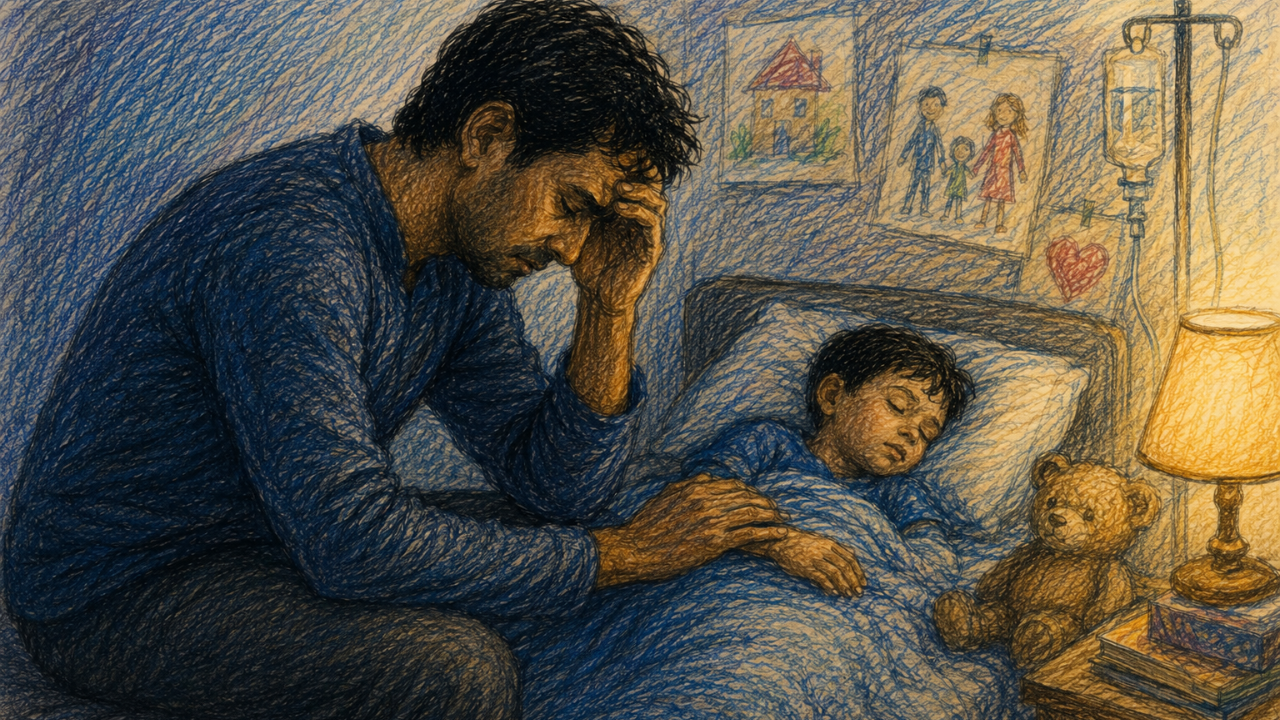
The tragedy highlights a painful reality: while medical systems focus on treating the child, the emotional well-being of parents and caregivers is often left in the background. “It’s important to remember that carers need care, too,” says Dr. Prerna. “Frequent mental health services, counselling, support groups and open dialogue with family members can be beneficial for families to manage during these challenging experiences. By asking how caregivers feel, allowing them to share their fears, and making sure they don’t have to deal with the emotion all by themselves, a huge difference can be made,” she adds. Society also has a role to play. A simple check-in, practical help, or offering a listening ear can make a meaningful difference. The story of the Pai family is a reminder that behind every child battling a serious illness, there is often a family fighting an invisible battle too. Caring for the caregiver is not separate from caring for the patient, it is a necessary part of it.