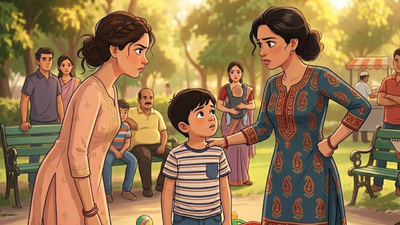
It’s deeply frustrating for a parent to see someone point fingers at their child, especially when the child has not done anything wrong. Almost every parent has been through such a situation; say in public transport or at a family gathering; when their child was criticised for a behavior that is a normal part of childhood. A similar situation was encountered by a mother, who recently shared the incident through an Instagram post. Richa Pandey, a mother from Delhi, recalled an incident when a stranger made a comment about her child’s behavior. The comment made her step in, not just to protect her child’s confidence, but to leave a powerful message for parents. The moment turned into a lesson on how adults speak to children and why words matter.
15 Jun 2026 | 12:57
Is spending lakhs on a child’s birthday party reasonable or insane?
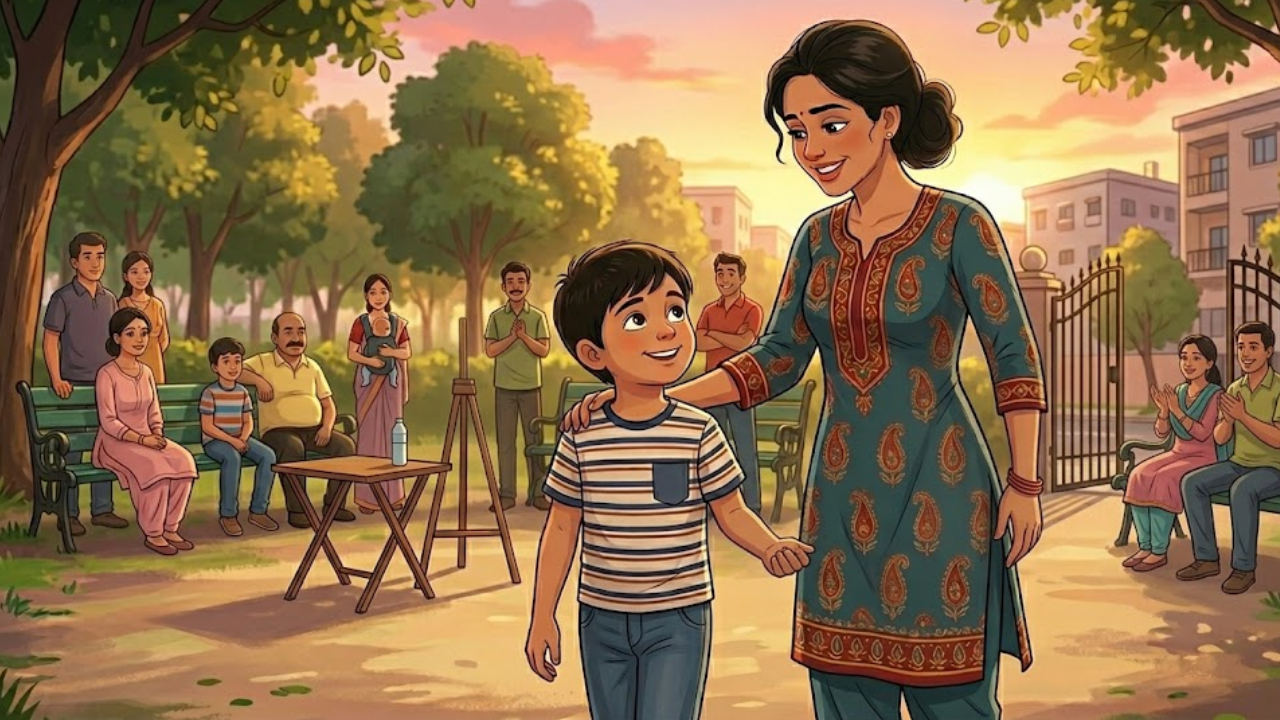
Recalling the incident, the mother wrote that her son was simply playing in the park, and was being a child, making some noise, and enjoying himself. Suddenly, a woman nearby raised her voice and said, “What kind of child is this? He is so stupid.”She recalled that people around started looking in her son’s direction. When she saw her son, it affected her. The child now went completely quiet. His excitement disappeared, and according to the mother, there was a look in his eyes that seemed to ask “Am I really wrong?” Seeing this, she walked up to him, held his hand, and calmly responded to the woman. “He is a child. He will make noise, he will learn, he will make mistakes. That is part of being a child. But calling him ‘badly behaved’ is not his identity.” The mother said she wanted her son to understand that mistakes or moments of excitement do not define who he is. She then asked the woman to apologise, not privately, but in front of everyone, because the comment had been made publicly. The woman tried to explain, saying she was only joking and that children need to learn how to face the realities of life. But the mother replied, “Children learn to handle life when they see adults taking responsibility for their mistakes.”After a moment of silence, the woman eventually apologised to the child. The mother shared that her son did not say much after that, but his expression showed something important, he knew his mother had stood up for him.
The mother’s story gives answers to two important questions many parents deal with.
- “How do I stand up for our child when someone criticizes them in public?”
- “Even though my child is in the wrong, how do I correct them without making them feel ashamed?”
Children do need guidance and boundaries, but they also need to know that they are respected. A child who feels safe and supported is more likely to learn, grow and understand their mistakes. Because sometimes, parenting is not just about teaching children how to behave, it is also about showing them that their feelings and self-worth matter.
Why is it important for parents to speak against public criticism of their child
When children are repeatedly labelled as “bad”, “naughty” or “stupid”, they start associating those words with their identity instead of seeing them as feedback about a particular action. There is a difference between saying, “That behaviour was not okay” and saying, “You are a bad child.” One corrects the action, while the other can make a child feel judged. A child does not need to believe they are perfect. They need to know that even when they make mistakes, they are still valued. Protecting a child’s confidence does not mean ignoring their wrong behaviour. It means separating the child from the mistake, helping them understand “what I did was wrong” instead of feeling “there is something wrong with me.” A child who grows up feeling respected is more likely to develop self-belief, communicate openly, and handle challenges with greater resilience.