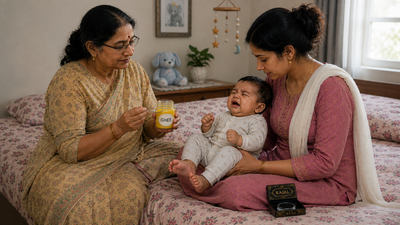
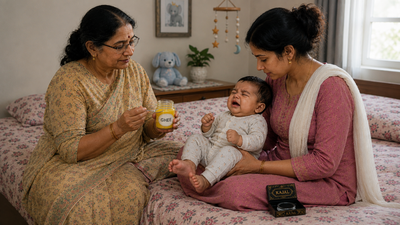
Whenever a baby is welcomed in Indian households, a set of traditional practices also comes into the picture. Often hailed as “nani-dadi ke nuskhe”, grandparents pass down some “home-remedies” that are believed to protect the child from health issues, and evil-eye. While these remedies come from a place of love and care, are these practices supported by any scientific evidence? Is there any evidence that proves these “home remedies” do not harm infants?Some of the most common of these home remedies are; Ghee, gripe water, and kajal:
17 Jun 2026 | 14:29
Bottle or sipper? What worked best for your baby and why?
- Ghee: Often associated with strength and healthy growth.
- Gripe water: Commonly trusted as a solution for gas or colic.
- Kajal: Applied in many homes as a way of protecting babies from evil eyes.
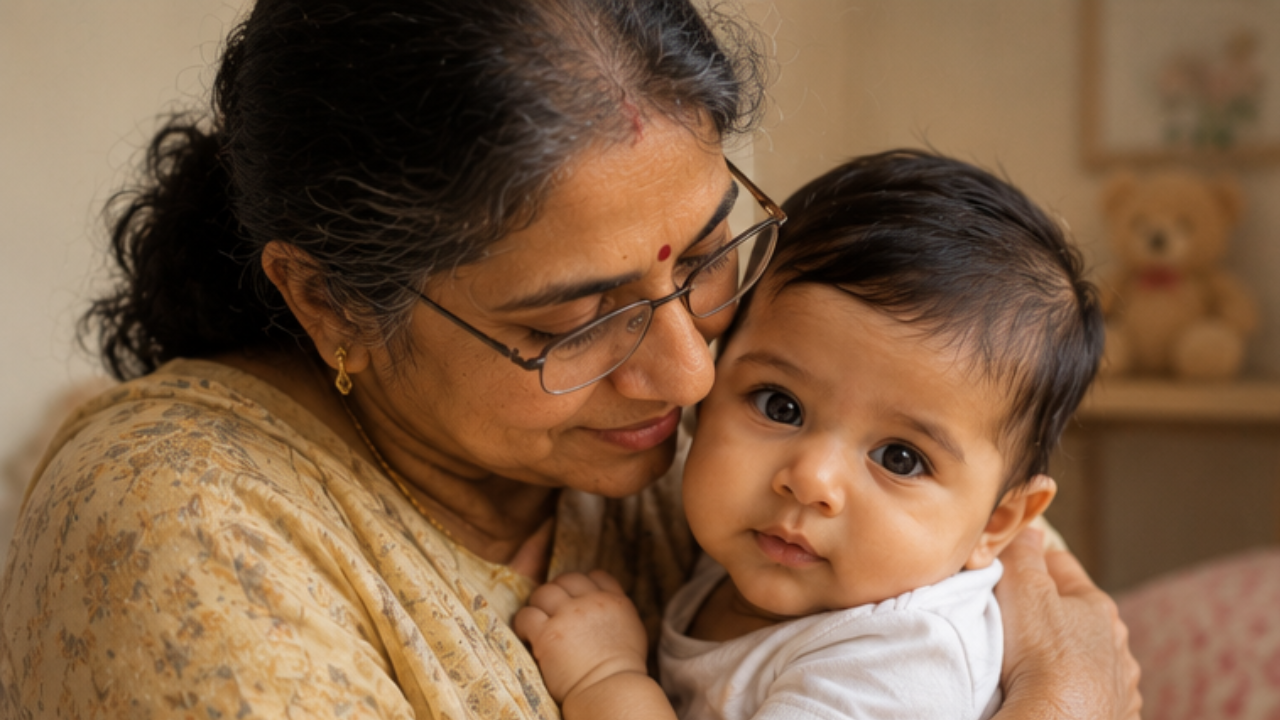
Grandparents pass down some “home-remedies” that are believed to protect the child from health issues, and evil-eye.
However, when it comes to infants, experts say that even familiar traditions need to be looked at carefully. “Tradition alone shouldn’t decide what we use for babies. Safety and scientific evidence matter just as much,” says Dr. Purushottam Das Garg, Consultant Pediatrics, Kailash Deepak Hospital. The expert emphasizes that parents need to look beyond generations of advice.So, before new parents reach for a spoonful of ghee and gripe water or start putting kajal on their infant’s eyes, let’s understand what experts want them to know!
Ghee: Can it really make your baby stronger?
Many grandparents and parents believe ghee is an essential part of the baby’s diet before they begin eating solids.
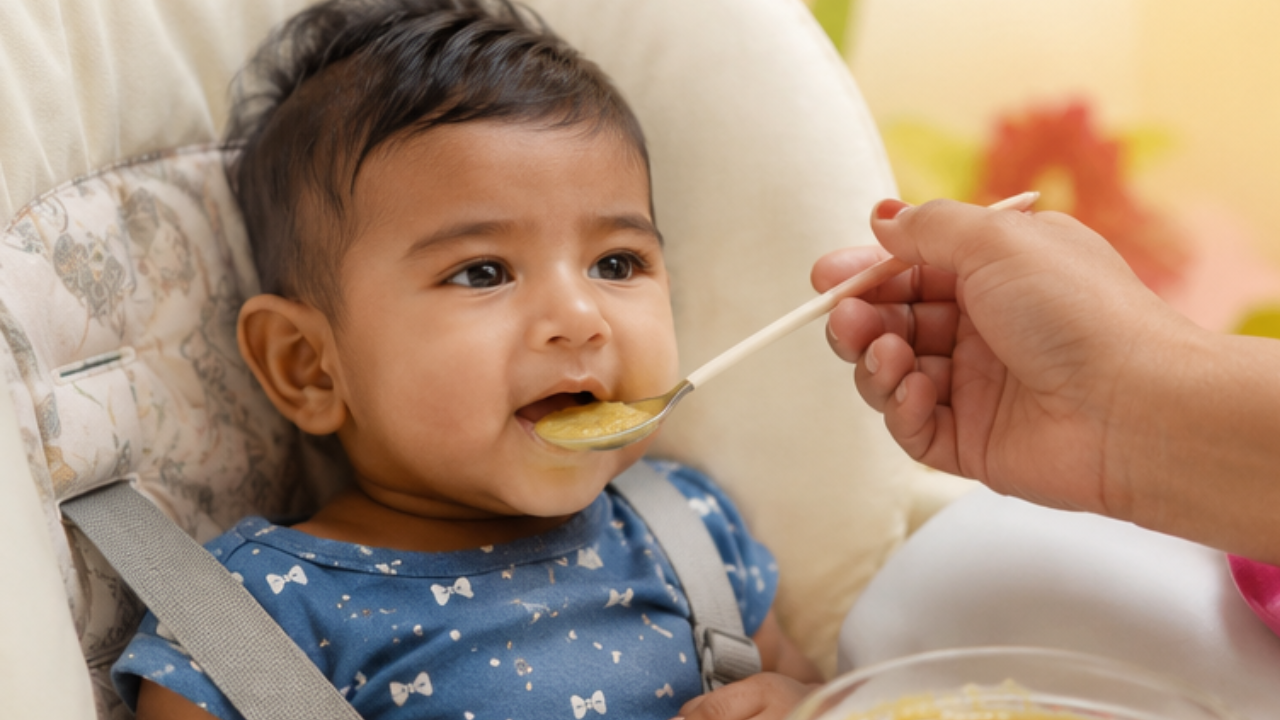
“A baby’s growth depends on their overall nutrition and feeding habits, not on any single food,” says Dr. Purushottam
In many Indian families, the tradition of adding ghee to a baby’s food begins when the child starts complementary feeding, usually around six months of age. From adding a small spoonful to khichdi, dal or mashed foods, ghee is often introduced as a way of making meals more nutritious and “strength-giving.” The practice of using ghee for children is not limited to one region or culture. Across different Indian communities, ghee has traditionally been associated with nourishment, immunity and healthy growth. Some families also include it in a child’s diet because it is considered an energy-rich food that has been passed down through generations.“Many parents assume that more ghee automatically means better weight gain. But in reality, a baby’s growth depends on their overall nutrition and feeding habits, not on any single food,” says Dr. Purushottam. The expert emphasizes that while ghee does have nutritional value, it should not be treated as a shortcut for weight gain or better health. The real deal is that quantity and timing matter. “Once a baby is around six months old and has started solids, a small amount of ghee can be included in their diet,” notes Dr. Purushottam.
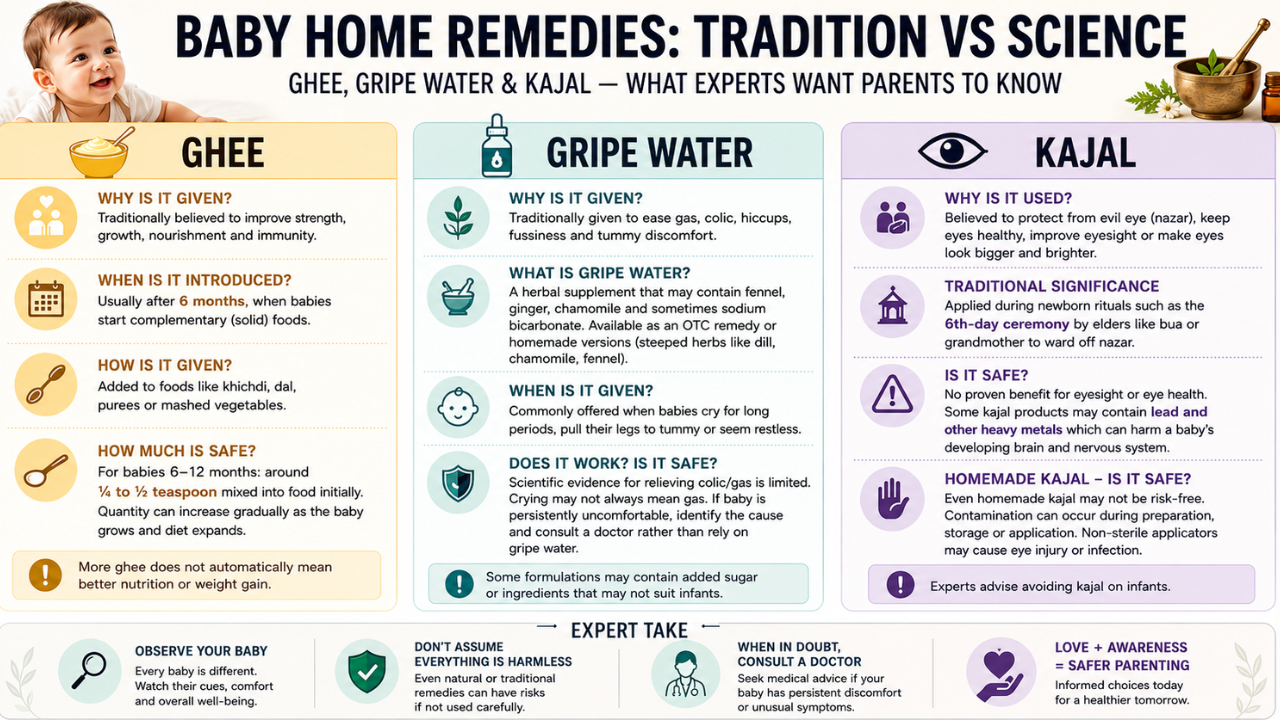
Parents should make informed choices for their baby’s health and safety.
When and how much ghee is safe?
For babies between 6–12 months, experts generally recommend introducing only small amounts of added fats. Around ¼ to ½ teaspoon of ghee mixed into food such as khichdi or purees is usually enough in the beginning. Adding excessive ghee does not automatically mean better nutrition and may reduce the balance of other important foods in a child’s diet.
Gripe water: A trusted remedy, but does it work?
New parents get worried when they see their baby unsettled or crying. When indigestion or gassiness is the cause, manyparents turn towards a remedy considered the one-size-fits-all solution for tummy troubles: gripe water.
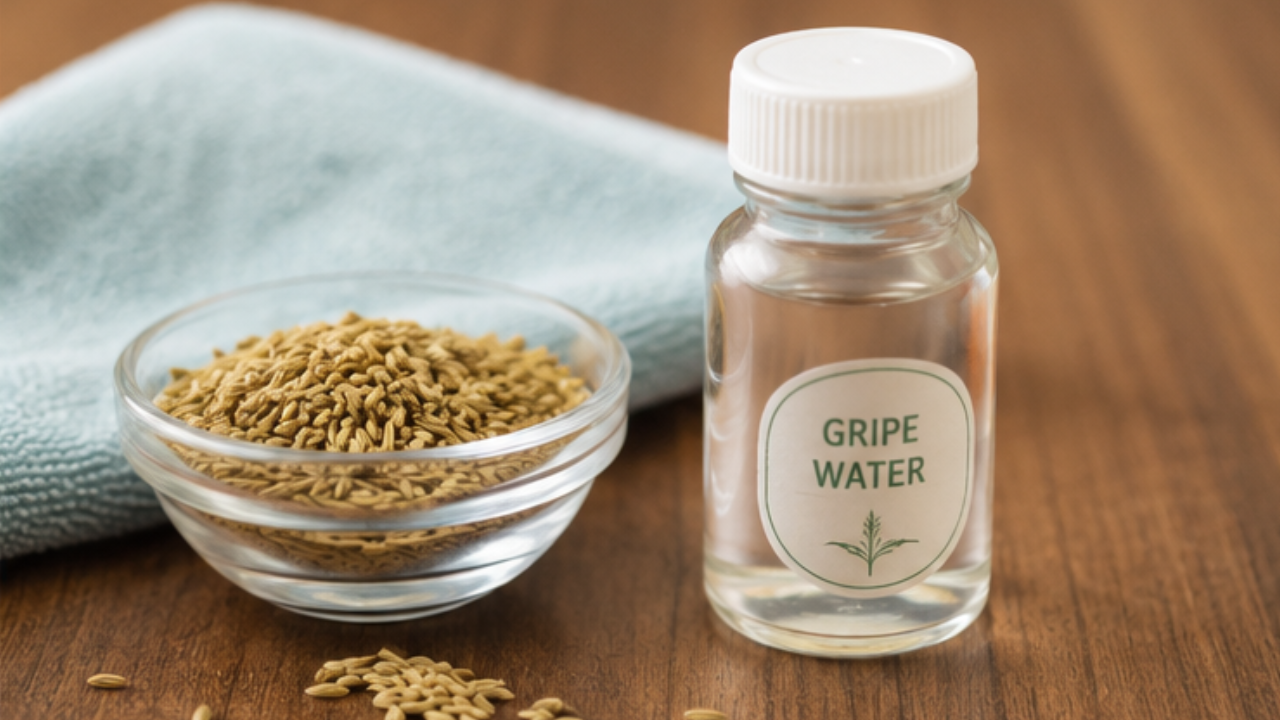
“It is always better to identify the underlying cause rather than rely solely on gripe water,” experts note.
What is gripe water?
Gripe water is a herbal supplement that contains herbs such as fennel, ginger, and chamomile, and sometimes sodium bicarbonate. While gripe water is available as an over-the-counter remedy, some parents use homemade or traditional versions of it, passed down by generations. The homemade version usually consists of steeped herbs like dill, chamomile, or fennel.For many parents, gripe water has become almost synonymous with relief from colic, gas and digestive discomfort. It is commonly offered when babies cry for long periods, pull their legs towards their tummy or seem restless.
Is gripe water safe for babies to consume?
“Gripe water is commonly given to babies who seem gassy, fussy, or colicky. While many families swear by it, scientific evidence supporting its effectiveness remains limited,” notes consultant pediatrician Dr. Purushottam. According to him, a baby crying or appearing uncomfortable does not always mean it is because of gas. If a baby is persistently uncomfortable, it is always better to identify the underlying cause rather than rely solely on gripe water,” the expert notes.
Kajal: A tradition with cultural significance, but is it even safe?
Among all baby traditions, applying kajal is perhaps one of the most deeply rooted practices across Indian households.
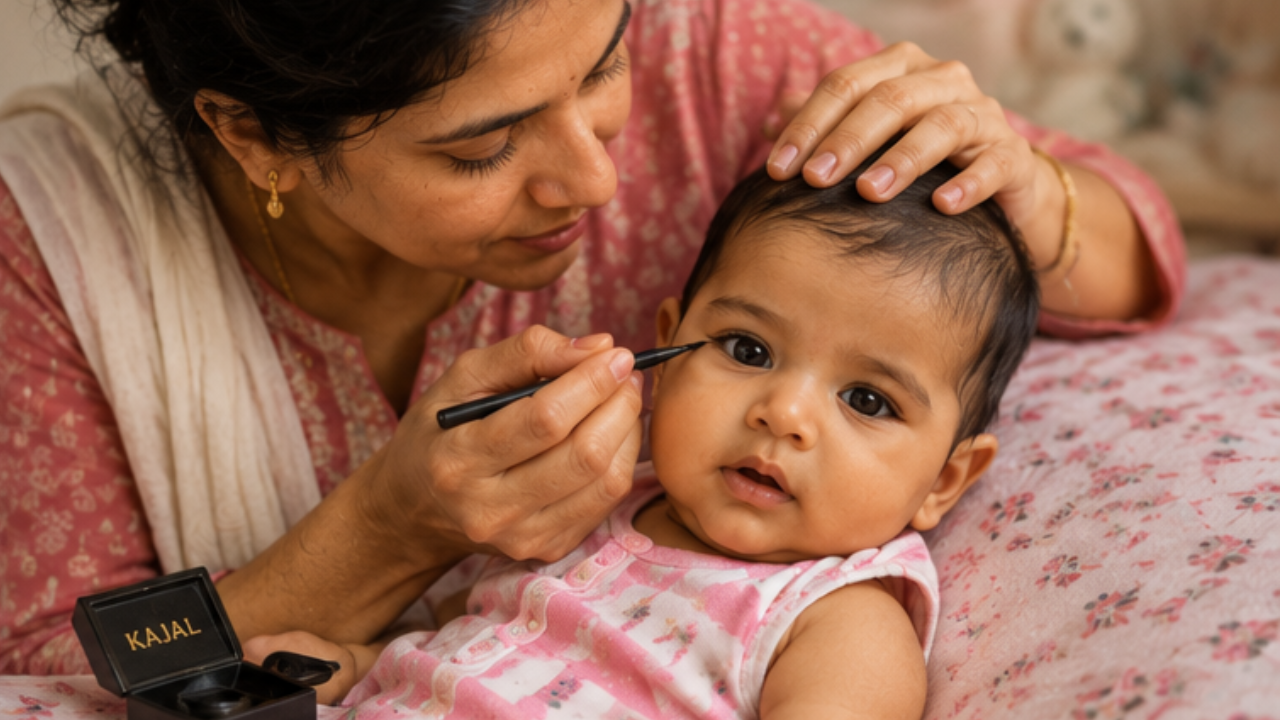
Experts note that kajal is the home remedy they are most cautious about.
For generations, parents and grandparents have applied kajal to a baby’s eyes, often believing that it protects the child from the evil eye, keeps the eyes healthy, improves eyesight or makes the eyes appear bigger and brighter. In many families, applying kajal is linked with cultural rituals around welcoming a newborn. Some families apply kajal during ceremonies such as the baby’s sixth-day celebration, when relatives, including elders like a bua or grandmother, may put a small mark believing it will protect the baby from nazar.While many families use kajal without noticing immediate problems, Dr. Purushottam Das Garg says “Kajal is the remedy I would be most cautious about. Even though many families across cultures believe that the application of kajal is beneficial for the baby, there is no proven benefit for eyesight or eye health.”
The hidden concern: What is inside the kajal?
While many parents assume that kajal is harmless because it is a traditional product, experts warn that some formulations may contain substances that are unsafe for babies. Dr. Sandhya E S, Consultant Ophthalmologist, Agarwals Eye Hospital, Bangalore warns that some kajal products may contain ingredients that can be harmful for infants. “Many people are unaware that kajal may contain lead and other heavy metals,” She explains. She notes that lead exposure is a particular concern during infancy because a baby’s brain and nervous system are still developing. Repeated exposure, even in small amounts, may have harmful effects on neurological development. Dr Purushottam firmly says, “I generally advise parents to avoid using kajal on infants.”
The question many parents ask: “What if the kajal is homemade?”
Even homemade kajal, which many families prepare believing it is a safer traditional alternative, may not always be risk-free. The process of preparation, storage and application matters because contamination can occur easily.The concern is not only about what the kajal contains but also about how it is applied. “The Kajal applicator, finger, or stick used may not always be sterile. Accidental contact with the cornea while applying can cause abrasion and discomfort,” Dr Sandhya notes.“The safest recommendation from an ophthalmic perspective is to avoid applying kajal to infants’ eyes and instead focus on practices that promote overall eye health,” adds the expert.Ghee, gripe water and kajal are often not questioned because they come wrapped in trust, culture and family advice. But experts say modern parenting does not require choosing between tradition and science, it requires understanding both. What remains constant is the need to observe the baby closely, understand their cues and avoid assumptions based solely on tradition.