canva
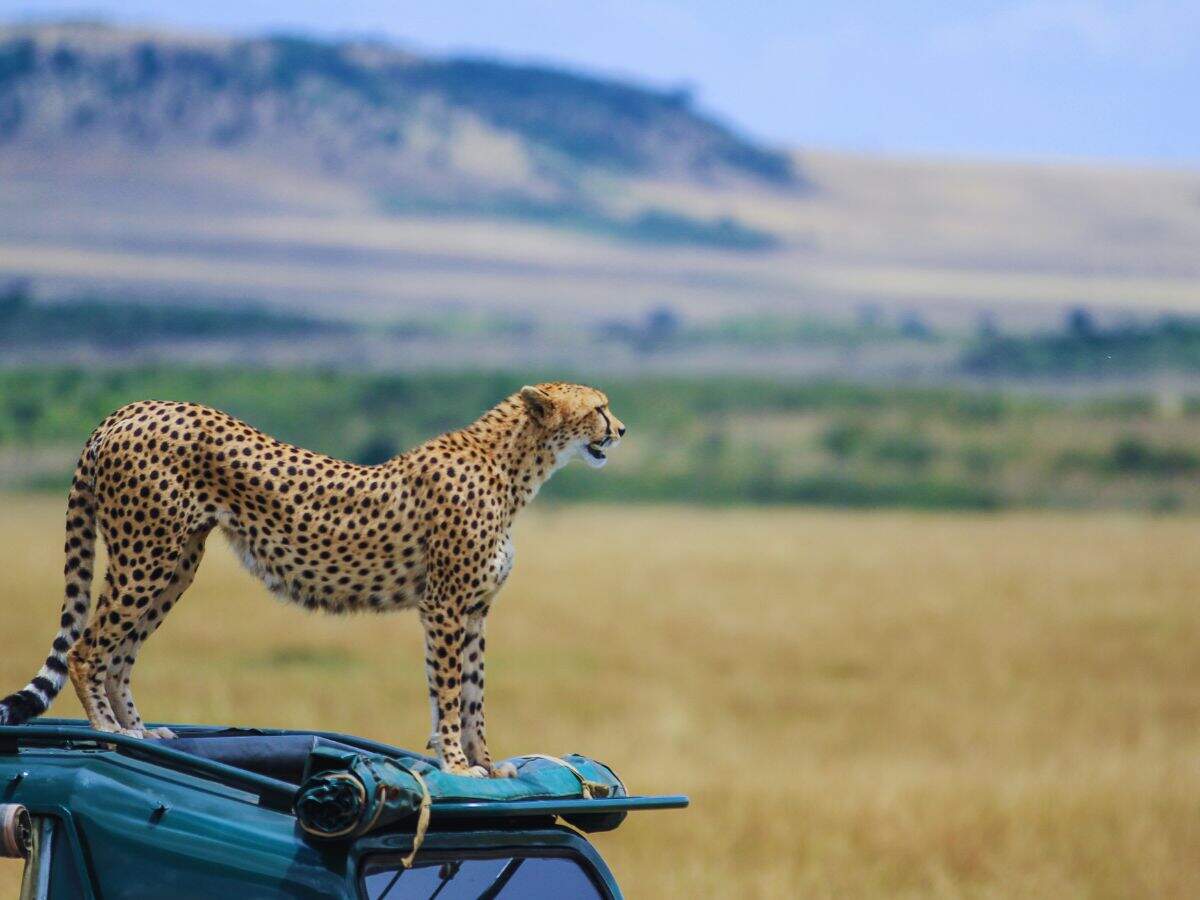
There is a Big Five personality model shows how curious, imaginative and willing a person is to explore new environments.People who score highly on this trait are seen more into experiences that challenge their senses and expand their understanding of the world. A jungle safari offers exactly that. A tiger may remain hidden for days, while an unexpected leopard sighting could happen within minutes of entering the forest. Psychologists describe this as the desire to experience new and unpredictable things. Jungle safaris satisfy that need. Uncertainty, the best part of the experience
Canva
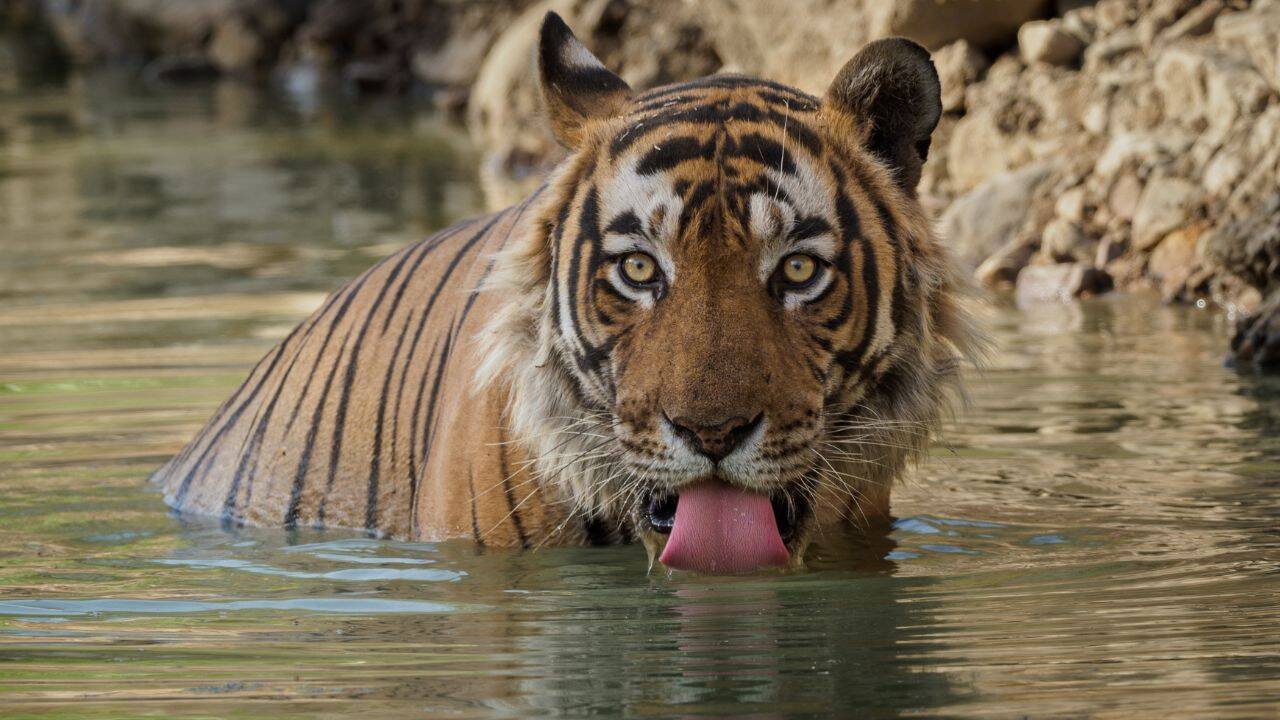
One of the best parts of the surprises for first-time safari travellers is that there are no guarantees. You may spend hours looking for a tiger and still never see one. Still they come back highly satisfied.As per psychologists, it is because people high in openness are more comfortable with the unknown. They don’t have one single goal, instead they are focused on enjoying the entire journey. Every single second spent inside the jungle is a part of the adventure. In fact, the uncertainty heightens anticipation and makes wildlife sightings even more exciting.Nature has the ability to change how we think
canva
Modern psychology increasingly recognises that spending time in the lap of nature influences mental functioning. Emerging tourism research suggests that meaningful time spent with nature can enhance creative thinking. This may explain why many safari enthusiasts call it mentally refreshing.A jungle safari is very different from traditional tourismDuring a jungle safari, travellers willingly wake before sunrise and drive for hours. Researchers studying ecotourism have found that nature travellers are often motivated by intrinsic rewards such as learning and self-development. Famous wildlife lovers
Canva
The world is full of several famous naturalists.One among them is Jim Corbett who spent decades exploring India’s forests. Then there is Broadcaster David Attenborough who often talks about curiosity as the driving force behind a lifetime spent exploring remote ecosystems.Attenborough once famously said:“No one will protect what they don’t care about; and no one will care about what they have never experienced.” The quote captures why wildlife travel often inspires better awareness about the environment.